Sumatran Orangutan Stronghold Faces Illegal Clearing
The Singkil peat swamp, a protected reserve in Sumatra with the world's highest orangutan densities, is being illegally cleared and drained for oil palm

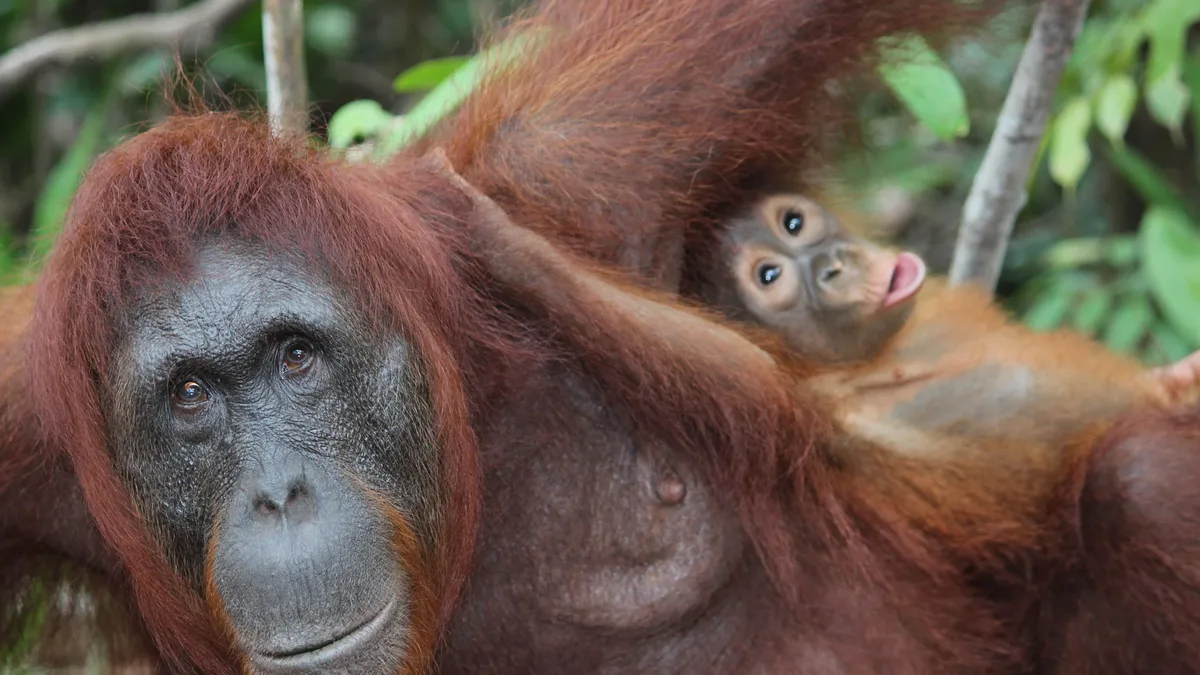
The Singkil peat swamp in Sumatra is being illegally cleared and drained despite its status as a nationally protected wildlife reserve. This destruction threatens one of the last major strongholds for the critically endangered Sumatran orangutan, which has seen its population fall by nearly 20% in just over a decade.
Satellite investigations have documented extensive illegal forest clearing and plantation expansion inside the Rawa Singkil Wildlife Reserve. The forest is being burned, peat is being drained, and canals are being dug to lower water tables, transforming ancient ecosystems into land for agriculture and oil palm. According to the Rainforest Action Network, this includes organized clearing and commercial oil palm expansion, activities that violate the legal protections intended to safeguard the area.
A Critical Habitat Under Fire
Indonesia's fire season has now begun, posing a severe threat to the drained peatlands. Once drained, peat dries out and becomes highly flammable. Fires can smolder underground for weeks or months, releasing vast amounts of carbon dioxide stored for millennia. What was once a critical carbon store rapidly becomes a major source of greenhouse gas emissions.
The Singkil peat swamp is part of the Leuser Ecosystem, the last place on Earth where Sumatran tigers, orangutans, elephants, and rhinos still coexist. Within it, Singkil has been called "the orangutan capital of the world." Conservationist Ian Singleton states, "Singkil is one of the most important remaining habitats for the critically endangered Sumatran orangutan."
Orangutan Densities and Population Decline
A major 2026 scientific assessment confirms the area's exceptional importance for orangutan survival. The range-wide study, published in Global Ecology and Conservation, found the highest densities of Sumatran orangutans in the Trumon-Singkil peat swamp. The same assessment reported a stark population decline.
| Metric | Figure |
|---|---|
| Sumatran orangutan population decline (2011-2023) | 19.5% |
| Estimated remaining Sumatran orangutans (2023) | 11,694 |
The research, based on surveys conducted between 2021 and 2023, highlights the contradiction between slowing forest loss and continued orangutan population decline.
The Gap Between Law and Enforcement
On paper, the Singkil swamp is well protected. The laws and the wildlife reserve exist, and the landscape's global significance is understood. Conservationists warn, however, that what is missing is making that protection real on the ground. The current trajectory points to the loss of Singkil without stronger enforcement against illegal activities and without developing sustainable livelihoods for surrounding communities.
Communities have lived around Singkil for generations, and many depend on the landscape for their livelihoods. Successful conservation cannot ignore their need for land and income. The challenge is halting large-scale commercial destruction while supporting community needs. Without this dual approach, the embattled orangutan capital may not survive.
The reserve's fate hinges on confronting illegal land speculation and plantation development before the unique peat swamp ecosystem is irreversibly degraded.