Catalina Island to cull 2,000 deer to protect native
A judge has cleared the way for the Catalina Island Conservancy to eliminate nearly all of the island's 2,000 non-native mule deer over five years, a move
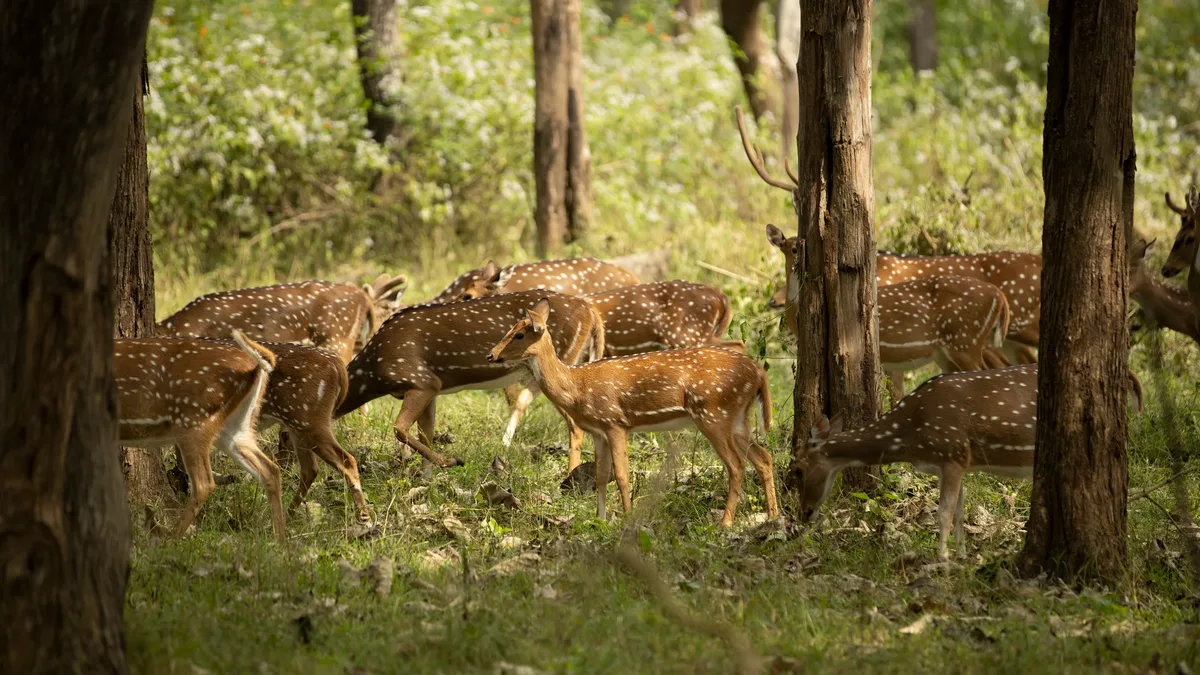
A California judge has ruled that nearly all of Catalina Island's 2,000 mule deer can be killed. The Catalina Island Conservancy, which controls 88% of the island, will now proceed with a five-year eradication plan to protect native plants and reduce wildfire danger.
The ruling ends a legal challenge from an unusual coalition of animal activists and hunters. Los Angeles County Supervisor Janice Hahn had asked Governor Gavin Newsom to intervene, but the plea was unsuccessful. An online petition against the cull gathered more than 32,000 signatures.
The ecological rationale
Scientists say the deer, introduced for sport hunting about a century ago, are destroying native shrubs. Professor Anna L Jacobsen, a plant biologist at California State University, Bakersfield, studied the issue after major fires in 2006 and 2007. She states that deer consumption prevents these climate-threatened shrubs from regenerating, risking local extinction.
When the native shrubs die, they are replaced by invasive grasses. These grasses ignite more easily and spread fire faster. Wildfire specialist Max Moritz, who advises California governments, notes that in fire-prone southern California, prevention now focuses on limiting ignitions. Removing the deer is seen as a key step.
The planned eradication
The conservancy examined alternatives like contraception, sterilization, and fencing. According to the conservancy's director of communications, Pepe Barton, these were deemed infeasible for such a large population. Four decades of managed hunting also failed to control numbers.
The approved plan involves a combination of methods over five years. An estimated 200 deer will be hunted with rifles in the first two months. Island residents will have a final hunting season from late October to mid-December this year.
| Action | Target Group | Timeline/Details |
|---|---|---|
| Rifle Hunting | 200 deer | Next two months |
| Resident Hunting Season | General population | Late October to mid-December 2026 |
| Sterilization | Deer near Avalon town | Small population only |
| Full Eradication | All other deer | Five-year plan |
Barton called the decision a "noble sacrifice on the part of the deer that didn't ask for this." He said it was necessary to protect the island's unique native species and the residents who depend on it.
Handling the aftermath
The conservancy has plans for the deer remains. Meat will be donated to the California condor recovery program or local tribal groups. Carcasses near trails or roads will be removed. Only deer in steep, dangerous terrain will be left to decompose naturally.
Barton assured that people hiking on the island will not regularly encounter deer carcasses.
A complex conflict
The issue has sparked strong emotions. Max Moritz observed that people's attachment to the deer makes it hard for them to see the scientific justification. He argues that from an ecological and fire safety perspective, complete removal is the only realistic solution. "You can't realistically constrain the deer to graze only targeted areas," he said.
The Catalina Island Conservancy now moves forward with what it calls a last resort, aiming to restore an ecological balance disrupted a hundred years ago.