Sydney beaches use drones to spot sharks
A $34 million state program now monitors NSW beaches with drones from dawn to dusk, aiming to spot sharks and clear swimmers.
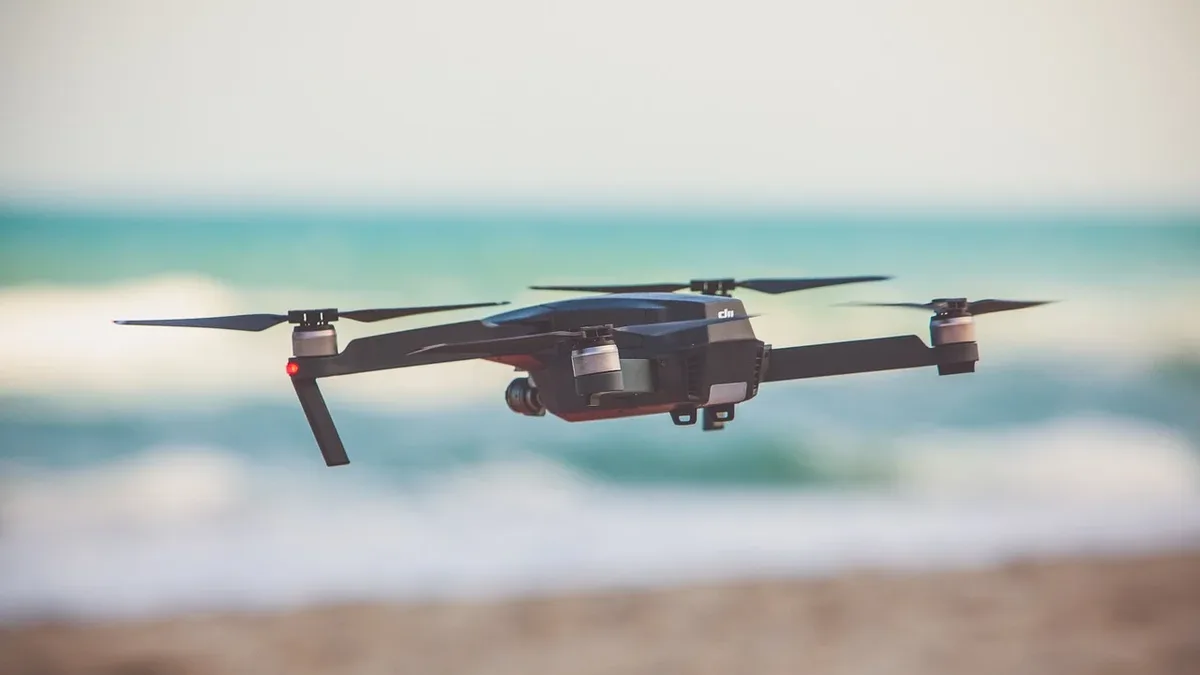
A $34 million New South Wales government initiative is using drones to monitor Sydney's beaches for sharks from dawn to dusk. The program, which began on 1 July, covers 38 of Sydney's ocean beaches year-round and beaches across the state, following a series of high-profile shark attacks.
Surf Life Saving NSW drone operator Taha Kafil-Hussain, 22, conducts surveillance flights, looking for anything moving against the water's flow. He says the goal is to spot hazards and help clear the water, a process that takes about two or three minutes. The drones are equipped with speakers to communicate directly with people in the water.
The drone surveillance operation
Kafil-Hussain's work at Coogee beach only began weeks after a shark attacked 34-year-old teacher Leah Stewart in June, an incident that prompted the expanded government program. Drone use at Coogee required special permission because it lies under a Sydney airport flight path. During a standard 20-minute flight, the operator scans the bay in a grid pattern from an altitude of 60 metres.
University of Sydney shark policy expert Associate Professor Christopher Pepin-Neff told reporters that drones are currently the best available technology. However, they issued a caution about windy days or if a shark is too small to be seen.
Sightings and target species
Increased surveillance has led to more frequent shark sightings. The NSW government reports over 750 sightings and more than 200 intervention actions by Surf Life Saving NSW since 1 July. Listening stations are tracking thousands of sharks considered most frequently involved in serious bites.
| Shark Species | Number Tracked |
|---|---|
| White Sharks | 1,698 |
| Tiger Sharks | 938 |
| Bull Sharks | 374 |
Kafil-Hussain says he has seen more bull and tiger sharks than whites, and has raised alarms for other species like the bronze whaler. Independent drone operator Jason Iggleden, who runs the Drone Shark App Instagram account, also passes sightings to authorities and is a firm believer in the technology's value.
Limitations and public safety
Pepin-Neff expressed concern about public perception, stating a lack of education could scare people unnecessarily. They support non-lethal technologies like SMART drum lines and upcoming AI detection software trials for drones. However, their assessment of shark nets and culling is clear.
Kafil-Hussain notes that every beach is different, with sightings of turtles, dolphins, and whales. Coogee is also home to a wobbegong, a carpet shark that does not hunt humans. Despite the June attack, beach attendance has continued to grow.
Pepin-Neff says the drone program will help restore confidence but is not a perfect solution. Their advice for swimmers is to use enclosed beaches or swim between the flags at patrolled locations.