Siekopai 'Turtle Women' Boost Charapa Hatchlings in Ecuador
Indigenous Siekopai women in Ecuador's Amazon are using traditional knowledge and a data app to incubate and release vulnerable yellow-spotted river
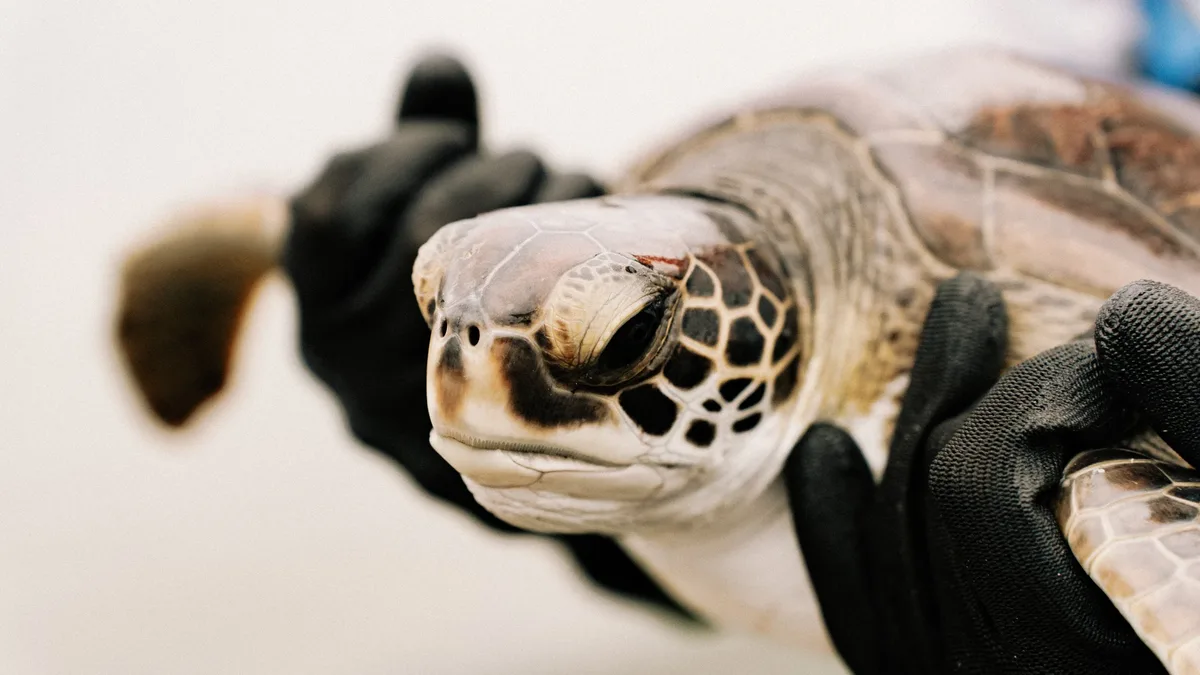
A group of Indigenous Siekopai women is leading a recovery effort for a threatened turtle species in the Ecuadorian Amazon. The women, who call themselves Tari Nomiowa’i or "turtle women," are working to counter population declines of the charapa turtle, also known as the yellow-spotted Amazon River turtle (Podocnemis unifilis).
Threats to the Charapa Turtle
The charapa turtle is listed as vulnerable by the International Union for Conservation of Nature (IUCN). Its populations have fallen due to several human-driven pressures. Hunting of adult turtles and the harvesting of eggs from nests are primary causes. Pollution is another major issue, with garbage, plastic bags, oil, and gasoline contaminating the Aguarico River where the turtles live.
Community leader Janeth Piaguaje told Mongabay Latam that they see dead animals and plastic floating downstream. Boat traffic erodes the riverbanks where turtles nest, and climate change has caused rising water levels that flood nesting flats. "We can't control all of that," Piaguaje said, "but we do make a significant effort to clean the beaches where we work."
The Rescue and Incubation Process
Seven Siekopai women patrol the riverbanks looking for turtle tracks and nests. When a nest is found, they carefully collect the eggs. Piaguaje learned this skill from her father. "He taught me how to handle the eggs, how to see on what dates and in what months the turtles lay their nests," she said.
The women use the Epicollect5 mobile application to document each nest. They record the date, time, location, and the number of eggs. This data creates a modern record of their conservation work. After collection, the eggs are transported to a protected incubation facility. This shelter guards them from predators, flooding, and pollution.
Once the eggs hatch, the turtle women continue their care for another month. They feed the hatchlings a diet of cassava, sweet potato, and taro leaves. This extended care period helps ensure the young turtles are stronger before facing the dangers of the river.
Results and Cultural Motivation
The meticulous work yielded clear results during the 2025-26 nesting season. The group collected 235 eggs. From those, they successfully hatched and released 208 baby turtles into the Aguarico River in March and April of this year. The project involved the local community, inviting schoolchildren to participate in the releases and attend educational workshops.
Piaguaje recalled a young girl's promise after a release event: "I'm going to take care of them, I'm going to tell them not to touch the eggs." For the Siekopai women, the work is deeply cultural. They hold an ancestral belief that the turtles are a spiritual link, protected by Koouwajëo, the spiritual chief and guardian of the turtles.
"I want Koouwajëo to be proud," said Piaguaje. She explained that protecting the turtles is about more than species conservation. It honors the spirits of the river, strengthens Siekopai culture, and maintains a sacred pact between the community and nature. The project blends this ancient worldview with contemporary technology to aid a vulnerable wild animal.