
Post Release Monitoring
| Subject | Post-release monitoring (wildlife rehabilitation) |
|---|---|
| Original use | To assess the success of a rehabilitation intervention and the long-term welfare of a released animal. |
| Typical subjects | Mammals, birds, reptiles, and other wildlife that have undergone rehabilitation. |
| Primary goal | To determine survival, health, and adaptation to the wild post-release. |
| Common methods | Radio telemetry, GPS tracking, visual observation, camera traps, and biometric checks. |
| Key metrics | Survival rate, movement patterns, body condition, and evidence of natural behaviors (foraging, breeding). |
| Duration | Varies widely, from weeks for short-term projects to years for long-lived species. |
| Challenges | Animal loss, equipment failure, funding constraints, and defining "success" beyond mere survival. |
Origin and history
Post Release Monitoring (PRM) as a formalized component of wildlife rehabilitation emerged in the late 20th century, primarily from conservation biology practices in North America and Europe. Its development was driven by a growing scientific acknowledgment that release into the wild did not equate to a successful outcome without verification. Early rehabilitation efforts often focused solely on the medical treatment and release of animals, with little follow-up. The field gained structure in the 1980s and 1990s as radio telemetry technology became more accessible for tracking smaller animals. This period saw the integration of PRM into published rehabilitation guidelines and standards by professional wildlife associations. The practice evolved from simple anecdotal sightings to a systematic data collection process, establishing itself as a critical final phase of rehabilitation.
What it is for
Post Release Monitoring is a systematic process for collecting data on a rehabilitated animal's survival, behavior, and integration after it is returned to the wild. Its primary purpose is to evaluate the effectiveness and ethical justification of the rehabilitation intervention itself. The process aims to determine if the animal is surviving, foraging successfully, and exhibiting normal avoidance behaviors toward predators and humans. It assesses whether the animal has integrated into a wild population or established a stable territory, depending on the species. Monitoring data is used to identify potential threats in the release site and to improve pre-release conditioning protocols for future animals. Ultimately, it provides essential evidence to inform whether rehabilitation practices for a given species are genuinely contributing to conservation or individual welfare, or inadvertently causing harm.
Pros and cons
A significant pro of Post Release Monitoring is that it generates empirical evidence to validate or improve rehabilitation techniques, moving the field beyond well-intentioned assumption. It can identify unforeseen post-release threats, such as inadequate habitat or persistent human habituation, leading to better site selection. However, a major con is that rigorous monitoring is technologically, financially, and labor-intensive, often limiting its application to high-profile or research-backed species while many others are released without follow-up. A common mistake is deploying monitoring methods that are overly intrusive or stressful for the animal, potentially negating the benefits of release, such as using heavy radio collars on small birds. Many rehabilitation centers regret the lack of resources to conduct proper PRM, leaving them unable to prove their long-term impact. Furthermore, the data can sometimes reveal uncomfortable truths, such as low survival rates, forcing difficult ethical reconsiderations of standard practices for certain injuries or species.
Who it suits
Post Release Monitoring suits conservation-focused rehabilitation programs that prioritize species recovery and have established partnerships with academic or government research entities. It is particularly critical for projects involving endangered or threatened species, where every individual's survival is significant for population viability. The approach suits organizations with dedicated funding and trained personnel capable of using tracking technology and conducting consistent field observations. It is also suited for situations where a novel treatment, release method, or pre-release conditioning is being tested, requiring validation. Conversely, basic PRM, such as public reporting networks for marked animals, suits smaller rehabilitation centers as a minimal means of gathering some feedback. The practice does not suit emergency response situations like oil spills, where the sheer number of animals released makes individual monitoring logistically impossible, necessitating different population-level assessment strategies.
Latest Post Release Monitoring news
Latest reporting

Audubon Tracks Wading Bird Nesting in Florida Bay
Audubon Florida's research team completed its summer monitoring of wading bird nests in Florida Bay, counting 1,819 nests to assess ecosystem health.
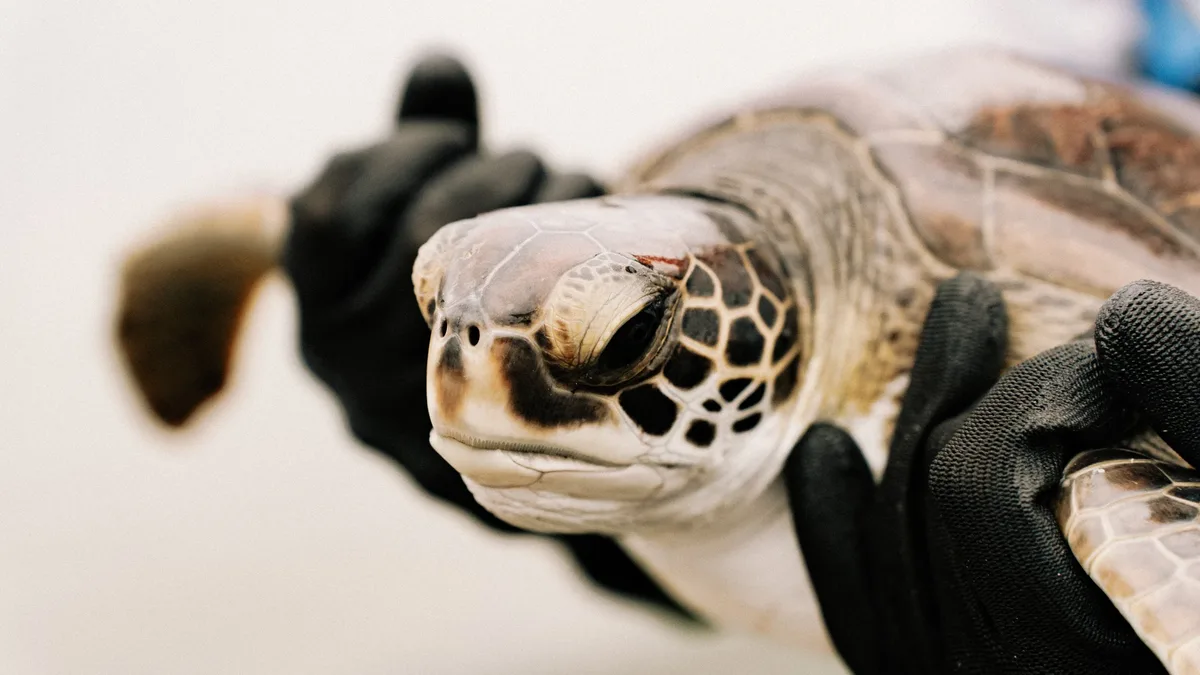
Siekopai 'Turtle Women' Boost Charapa Hatchlings in Ecuador
Indigenous Siekopai women in Ecuador's Amazon are using traditional knowledge and a data app to incubate and release vulnerable yellow-spotted river...
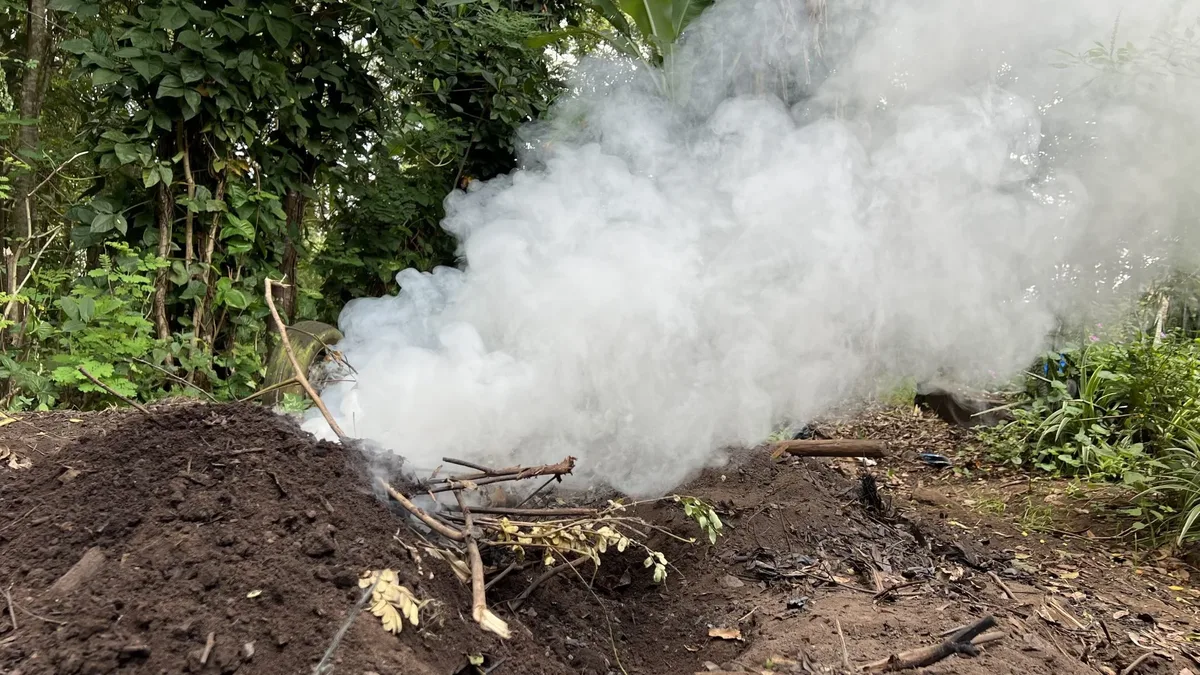
Bangladesh Study: Biomass Cooking Fuels Release Toxic Heavy Metals
A study finds burning biomass for cooking releases toxic heavy metals into household dust in rural Bangladesh, posing health risks to children.

Undercover cameras expose illegal discards in Chilean industrial fishing operations
Investigations reveal widespread illegal discards of critically endangered fish species by industrial fishing vessels in Chile, despite mandatory...

Drones and Raptors: Balancing Monitoring Benefits with Disturbance Risks in Latin America
A decade-long study across eight Latin American countries shows that while drones can access hard-to-reach raptor nests, 81 % of species observed...