Indigenous Tribes Oppose Raja Ampat Mining
Representatives from 20 Indigenous subtribes in Indonesia's Raja Ampat archipelago gathered in August 2026 to forge unity against nickel mining.
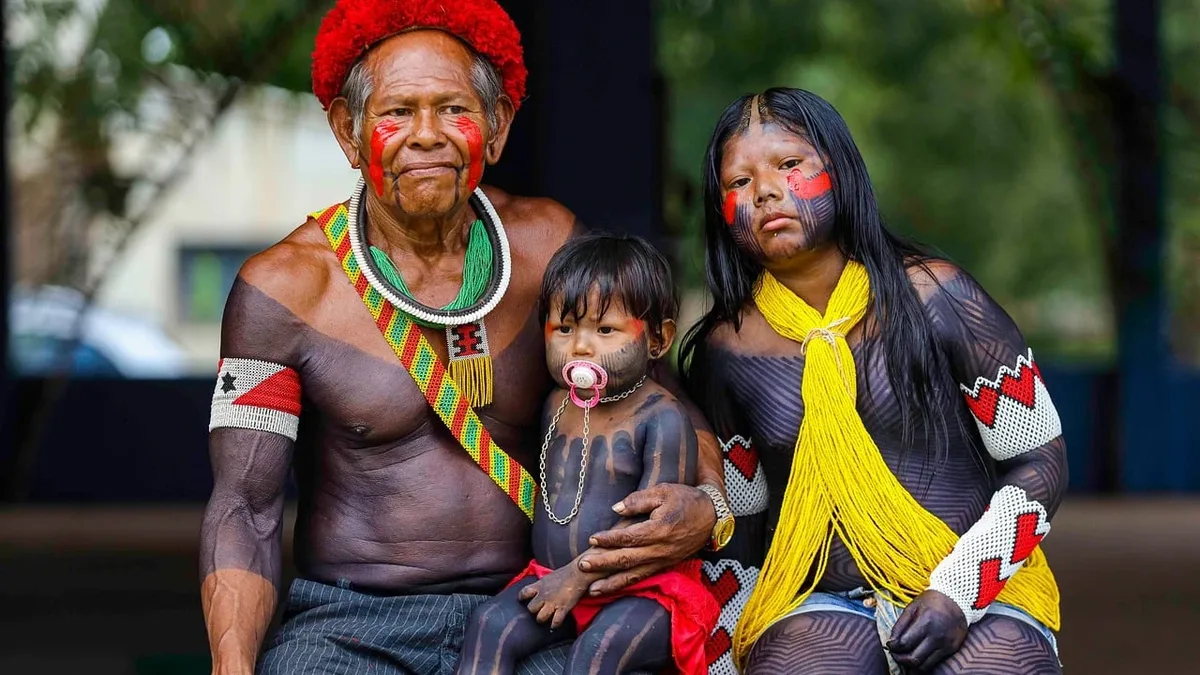
Representatives from 20 Indigenous subtribes gathered in the village of Arborek from August 20-23, 2026. They met to strengthen unity and find common ground over the future of Indonesia's Raja Ampat archipelago.
The gathering, called Heyul Pelei Koranu Fyak, was organized by the Forum Gelar Senat Masyarakat Adat Raja Ampat, Institut USBA, and Greenpeace Indonesia. It culminated a consolidation effort that began in 2025. Nickel mining has created deep divisions within some communities, with some seeing economic opportunity and others fearing environmental ruin.
The Arborek Resolution
Participants issued a unified statement known as the Arborek Resolution. It rejects extractive activities that damage Raja Ampat’s landscape, seascape, culture, and Indigenous communities. The resolution calls for the permanent protection of the region.
“From our togetherness at this grand gathering, we believe that the destiny and lives of the Indigenous people of Raja Ampat are not determined by efforts to extract what lies beneath the earth,” the resolution states. It was signed by Indigenous people and members of affected communities who attended.
Fractures from Mining Projects
Institut USBA director Charles Imbir said bringing the 20 subtribes together was significant. He stated that nickel mining has deepened divisions within Indigenous communities. “We don’t want the government or companies, especially, to come and divide our social and human relations,” Charles said.
On Manyaifun Island, a nickel exploration project by PT Mulia Raymond Perkasa divided residents. Ronisel Mambrasar, a 35-year-old fisherman and Indigenous youth leader, opposed the project. He feared mining would damage the island where people depend on fishing and tourism.
Ronisel said his campaign to raise awareness was met with intimidation. “I was confronted by local people, attacked and even beaten,” he reported. “My lip was injured.” He said some people who intimidated him had connections to the company. The opposition group eventually left the village to organize support elsewhere.
The Indonesian government revoked the mining permits of four companies, including PT Mulia Raymond Perkasa, on June 10, 2025. The Energy and Mineral Resources Ministry said the companies had violated environmental regulations. The revocation did not immediately end the conflict on Manyaifun. Ronisel said some residents blocked access to homestays operated by his family and others, even expelling foreign guests.
A Vision for Indigenous-Led Development
The gathering also promoted a broader vision for the archipelago's future. Charles Imbir argued development should not follow a mainland city model. “That isn’t possible for the communities of Raja Ampat,” he said. Instead, he advocated for an archipelagic and Indigenous community-based model of development.
He pointed to Arborek village itself as an example. The small island of around 200 people has built an economy around tourism, fishing, and handicrafts. Its rich marine waters have made it a popular base for tourists. For native Benoni Watem, tourism offered a way to make a living without extracting resources. The event also produced the Arborek Declaration, committing to stronger customary rights and knowledge-sharing led by Indigenous youth and women.