Allouez Bay Wetland Restoration Aids Marsh Birds
Audubon and Wisconsin DNR lead a multi-partner effort to restore critical Lake Superior wetland habitat by controlling invasive cattails, benefiting
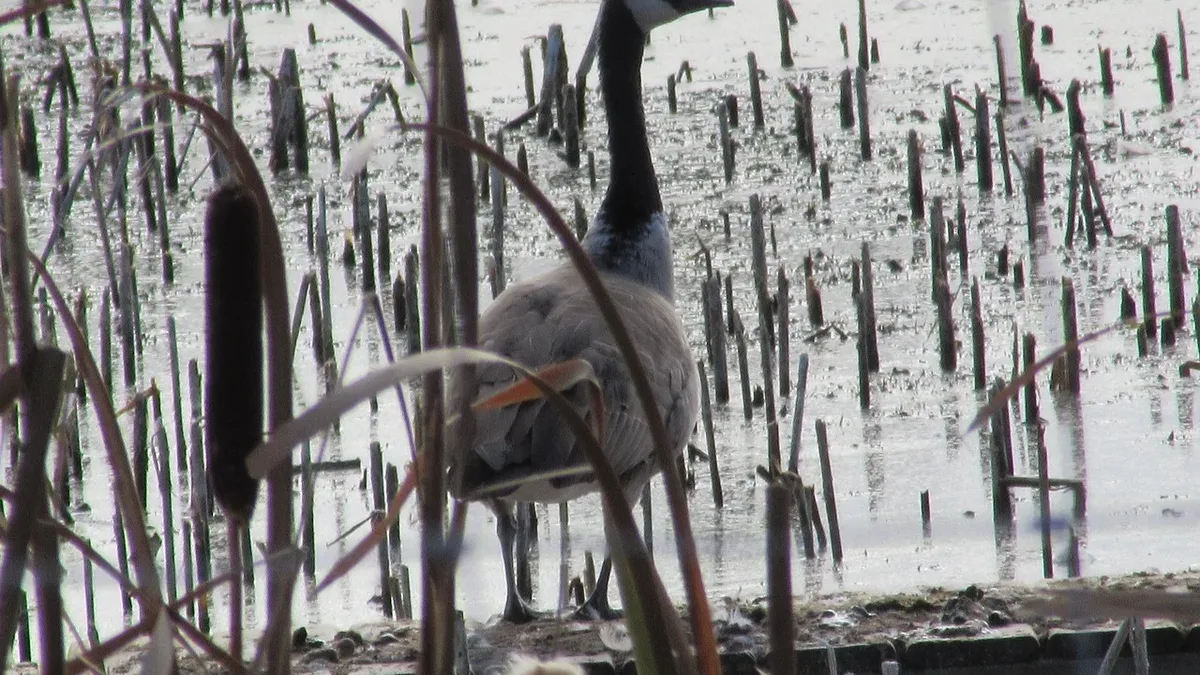
Audubon Great Lakes and the Wisconsin Department of Natural Resources are restoring a critical coastal wetland at Allouez Bay on Lake Superior. The project, funded by the federal Great Lakes Restoration Initiative, aims to control invasive cattails and revive habitat for marsh birds and native plants.
A recent boat tour for conservation partners showed the ongoing work. Participants, including Wisconsin DNR Secretary Karen Hyun and Superior Mayor Jim Paine, observed restored areas and thriving wild rice, known as Manoomin.
Restoring Habitat Diversity
Invasive narrowleaf and hybrid cattails have dominated parts of Allouez Bay, crowding out native plants. Dense cattail stands reduce the mix of open water and vegetation that wildlife like marsh birds and fish require. The restoration project directly tackles this problem.
Work began in 2024 with crews mechanically mowing and hand-cutting invasive cattail across seven acres. Later that year, they created approximately 12 acres of hemi-marsh habitat by excavating channels and pools within dense cattail stands and seeding native plants. In 2025, crews returned to re-treat six acres as part of an adaptive management strategy.
Early signs are positive. Manoomin and other native wetland plants are starting to grow in the new channels. Seeded native plants are now competing with regrowing cattail and other invasive species.
Science-Driven Adaptive Management
The restoration is guided by continuous monitoring. Partners are tracking vegetation changes and bird populations to understand what works and where more intervention is needed.
Audubon's partners at Tsuga Consulting monitor vegetation and invasive cattail spread. Bird monitoring, conducted with the Natural Resources Research Institute, documents how marsh birds respond to the changing habitat. Researchers collected three years of pre-restoration bird data and continue surveys post-restoration to measure the project's impact.
Virginia Rails are a key species at the site. Monitoring also detects Least Bitterns, American Bitterns, and Yellow-headed Blackbirds. The lessons learned here can inform restoration efforts at other Great Lakes coastal wetlands.
Future Plans and Ongoing Work
Monitoring continued in 2026 to assess the wetland's response and guide the next phase. Upcoming work will test a new cattail control method on roughly five acres. Crews will grind cattail vegetation and root material closer to the ground to see if it more effectively weakens dense stands and slows regrowth.
Near sensitive areas like Manoomin beds, more selective control methods will be used. Drone imagery will help document changes across the entire wetland. The goal is to learn from the ecosystem and adapt management to protect high-quality habitat while restoring degraded areas.
The boat tour highlighted the power of collaboration between conservation groups, government agencies, researchers, Tribal partners, and local communities. With sustained funding and a commitment to adaptive management, the partners aim to ensure Allouez Bay remains a thriving habitat for Black Terns, rails, bitterns, and the many species dependent on the St. Louis River Estuary.