Cantabrian Brown Bears Rebound in Northern Spain
The Cantabrian brown bear population in Spain's Asturias region has recovered from near extinction, with numbers now estimated above 500, aided by
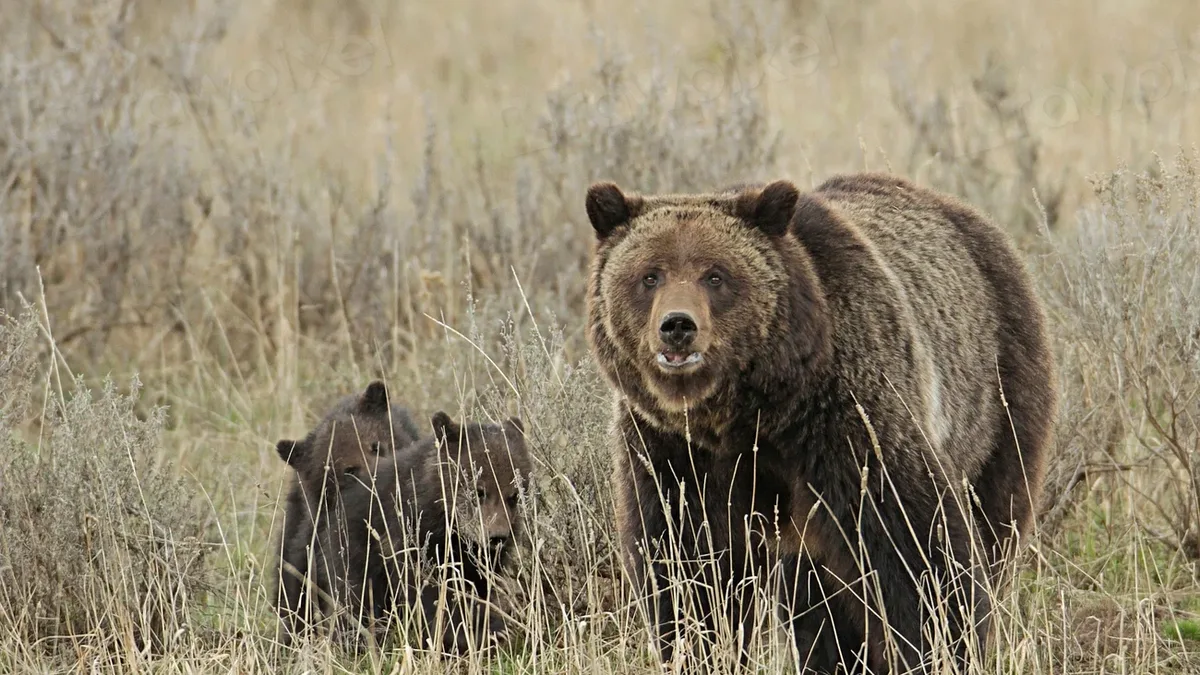
The Cantabrian brown bear population in northern Spain has climbed to an estimated 500 animals. This marks a dramatic recovery from the late 1980s, when only about 60 bears remained across their mountain range.
Nature guide Luis Frechilla, who leads spotting tours in Somiedo natural park, says the bears are still officially classified as endangered. The species will not be considered out of danger until an official count reaches 1,000 individuals. Their relative abundance, however, has made sightings far more common in the protected park established in 1988.
A Guided Search for Bears
On a steep pasture, Frechilla quickly locates a juvenile bear through a spotting scope. The animal is old enough to forage alone but remains too distant to determine its sex. Another observer nearby delights in the view, commenting on its "little ears." For visitors, the experience is more about witnessing a distant, fuzzy shape moving along the ridges than a close encounter.
The region's harsh climate and high altitude, with a median of 1,300 metres, influence local life. Traditional cuisine is hearty, featuring dishes like fabada, a stew of white beans, pork belly, and blood sausage. The bears, however, have less to eat in late spring, having only recently woken from a shortened hibernation.
Conservation Biology and Adaptation
Biologist Alicia Madrid of the conservation group Fundación Oso Pardo explains the bears' unique traits. "They're adapted to this terrain, and they can't be too heavy because they have to climb a lot," she says. Cantabrian bears are generally smaller and lighter than American grizzlies and do not hibernate as deeply.
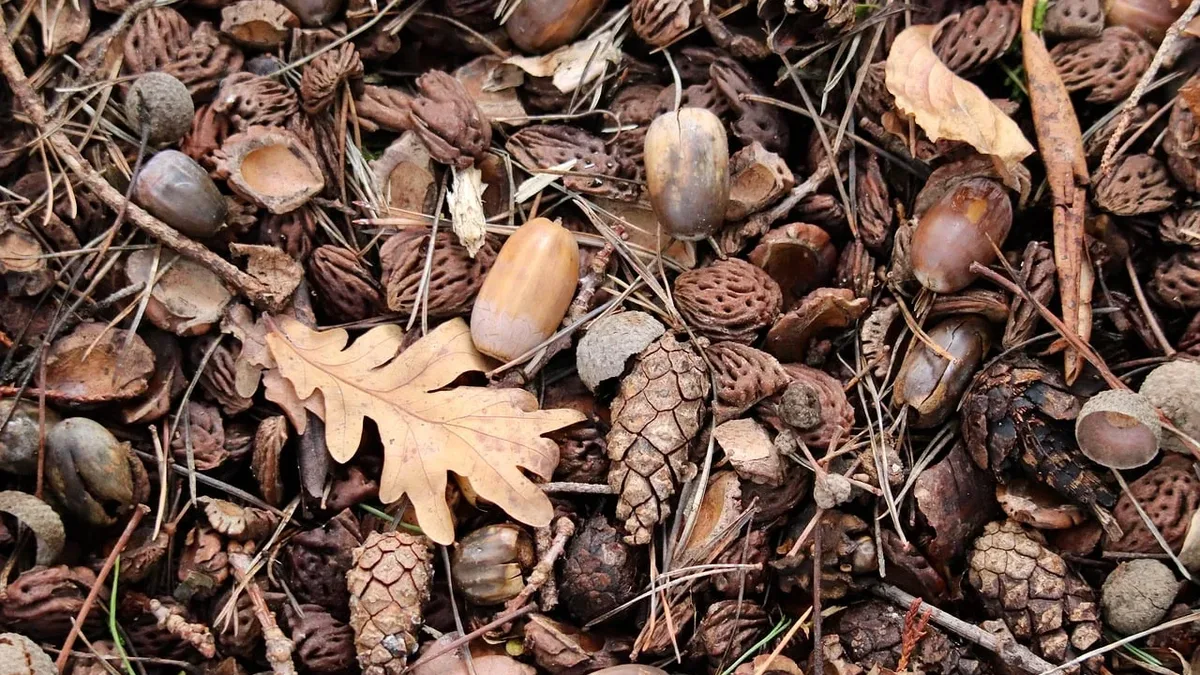
Walking a forest trail, Madrid points out signs of bear activity: large paw prints in mud, clumps of grass with bite marks, hairs on scratched trees, and hefty rocks overturned in search of insects. Later in summer, their diet expands to include berries, acorns, chestnuts, and carrion.
The foundation has been instrumental in the population regrowth. Key actions include building bio-corridors with strategically planted food sources and supporting a hunting ban instituted in 1973. Madrid states the current challenge is encouraging isolated bear groups to breed with others to boost genetic diversity.
Balancing Tourism and Protection
Managing tourist interest is another critical task. After a long hike, guide Luis Frechilla is overheard addressing concerns from two local women. Against a scenic backdrop, they argued that conservation efforts amounted to commercial exploitation. Frechilla countered that Somiedo natural park is a Spanish model of good practice.
He noted that much bear territory is closed to the public, and spotting expeditions require licensed guides. This nature tourism, he insisted, provides sustainable jobs where traditional farming cannot and is far better than the historical practice of hunting bears for sport. For human safety, he cited only one bear attack in recent memory, involving an elderly woman who walked between a mother and her cubs; she survived.
Close Encounters and a Tough Life
That evening, a crowd gathered by a back road near Saliencia. They watched a large male bear, described as "so big and so close" that no viewing equipment was needed, lope across a meadow to splash in a river. Another male was spotted in the treeline, and the two circled each other distantly, sparking speculation of a future fight. Frechilla doubted it, suggesting conflict might come later in the season "when they've gained enough weight."
The reality for these bears remains challenging. Despite a current baby boom, Madrid notes that only about 30% of juveniles survive on their own after a year of maternal care. This statistic adds poignancy to a twilight sighting of a mother bear and her two cubs climbing a rocky slope known as El Diente, or "The Tooth." Through scopes, observers watched the mother wait and cajole as the cubs struggled up vertical rock faces before disappearing over the ridge, one cub seeming to wave goodbye with its front paws.