Mindoro Bleeding-heart Pigeon Photographed After 20 Years
A camera trap in the Philippines has captured the first confirmed image in two decades of the critically endangered Mindoro bleeding-heart pigeon.
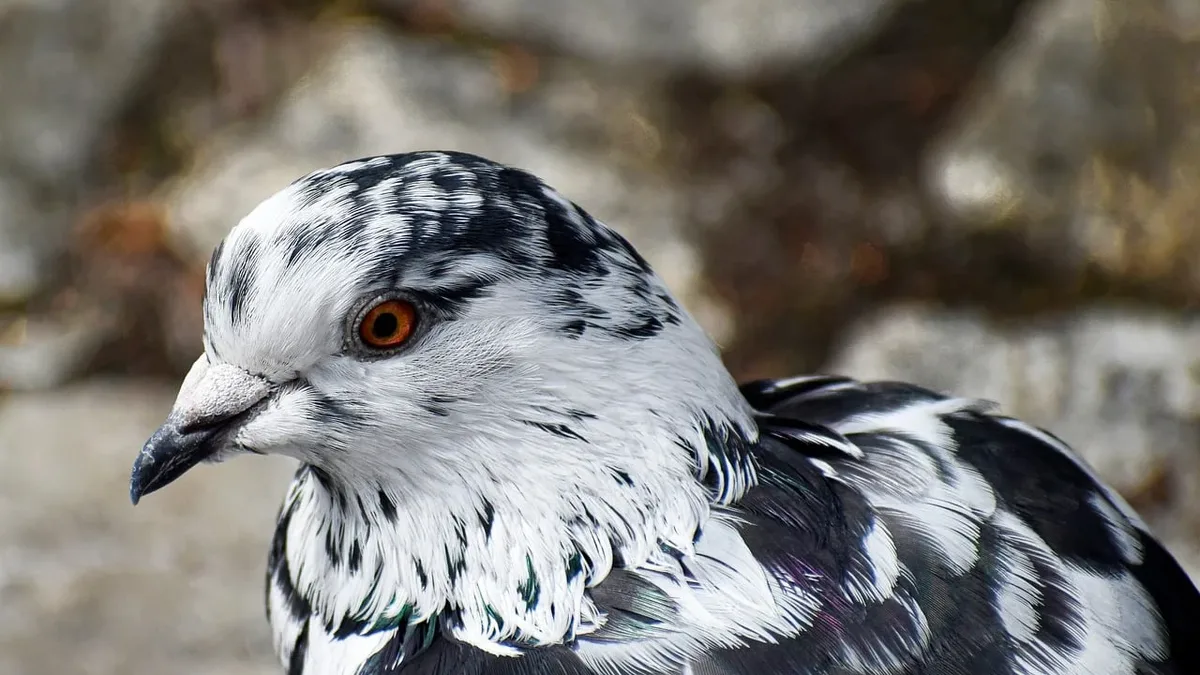
A critically endangered pigeon not seen by scientists for twenty years has been photographed on the Philippine island of Mindoro. The image, captured by a camera trap in August, provides the first confirmed visual evidence since 2005 that the Mindoro bleeding-heart pigeon persists in the wild.
According to the nonprofit Center for Conservation Innovation Ph Inc. (CCIPH), the photograph was taken in the Puerto Galera rainforest. "For an extremely rare and secretive species, a single image can carry enormous weight," CCIPH researchers stated. They said it confirms the bird's continued survival. Two independent ornithologists verified the identification. Juan Carlos Gonzalez of the University of the Philippines Los Baños said the record proves the species persists and highlights the area's importance as a sanctuary. Alex Berryman of BirdLife International also confirmed it, citing the bird's distinctive orange-red chest spot and iridescent green plumage.
A History of Disappearance
The Mindoro bleeding-heart is a ground-dwelling pigeon found only on Mindoro. Once considered common, confirmed encounters dwindled through the latter 20th century. The last verified record before this was in 2005, when one was caught accidentally in a snare. Subsequent field surveys by CCIPH failed to detect the bird. Many local residents and hunters said they had not seen it in years. This prolonged absence led the Search for Lost Birds program to label it a "lost"species. Berryman noted the bird is also critically endangered on the IUCN Red List, indicating an extremely high extinction risk."It may be a species running out of lowland to live in," they wrote. Gonzalez explained that suitable rainforest can exist at that elevation in the steep terrain, but lower slopes have been degraded by tourism development. Berryman said the record offers hope that more birds might exist in less-accessible areas. However, the single image provides no data on population size, trends, or breeding success. CCIPH called it a fragile data point from an increasingly fragmented forest.
Calls for Protection and Further Study
The photograph resulted from an Indigenous-led conservation initiative. CCIPH credited Iraya Mangyan forest patrollers Alex, Melenciano, Cristito, Jay, and Sonnyboy for their knowledge and stewardship. CCIPH researchers John Bibar and Joshua Manila deployed the camera traps as part of the Mindoro Forest and Biodiversity Conservation Programme. Experts immediately called for action following the discovery. Berryman said priorities must be safeguarding habitat and conducting a comprehensive population assessment. He endorsed expanding camera-trap surveys as an effective detection method. Gonzalez advocated for establishing a legislated protected area across the Mount Halcon-Mount Malasimbo Range, which currently lacks full government protection. He also recommended halting illegal logging and poaching, strengthening conservation education, and modifying traps meant for red junglefowl to prevent accidental catches of the pigeon. CCIPH broadly urged more focused research and protection. The organization concluded that the bird's future depends on whether this evidence sparks meaningful change.