Native trees fight malnutrition
A new guide and workshops in Malawi aim to integrate native fruit trees into landscape restoration to address both human nutrition and biodiversity
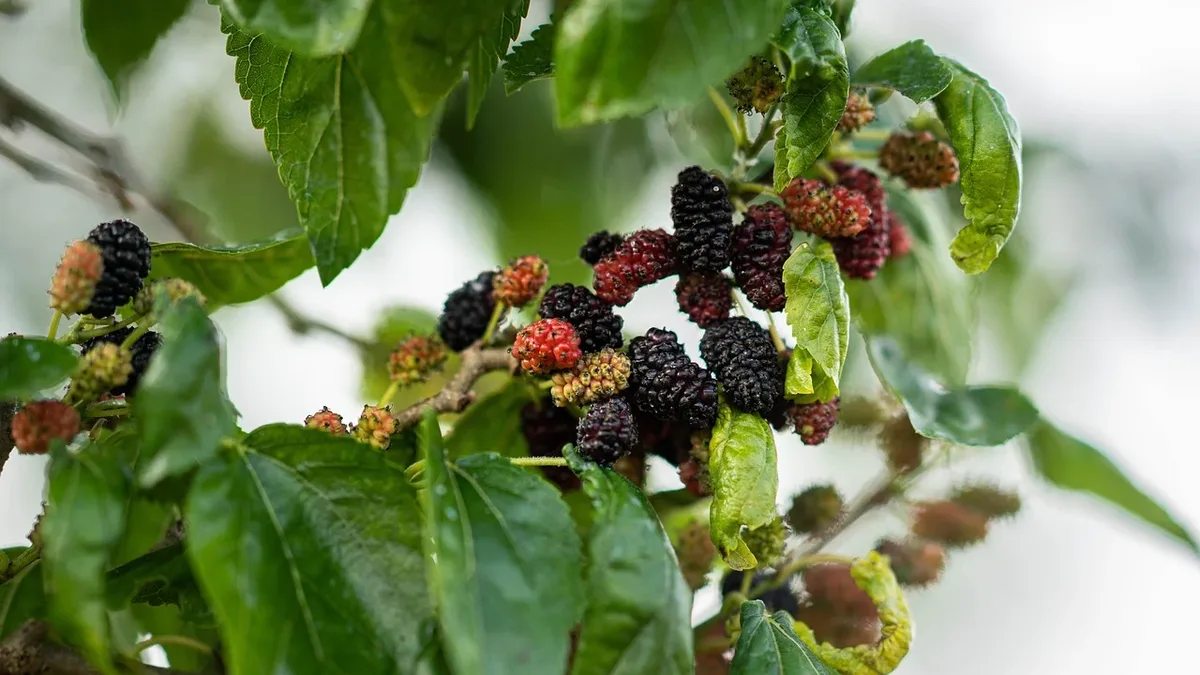
A new paper published in June details efforts to integrate Indigenous food trees into East African landscape restoration to fight malnutrition and biodiversity loss. The work, led by University of Copenhagen postdoctoral fellow Emilie Vansant, responds to deforestation that has made native food-bearing trees increasingly rare. In East Africa, many communities are experiencing both malnutrition and a loss of biodiversity due to deforestation. Despite this, tree-planting programs frequently focus on fast-growing, non-native species that can be utilized for timber, rather than food-bearing native trees.
Workshops in Malawi earlier this year gathered 40 landscape restoration workers to discuss using native species. Vansant told Mongabay the goal is not to replace all introduced trees but to broaden the scope to include Indigenous species for their dietary and biodiversity benefits. You can explore related data on stats and injuries.
The spark for a dual-purpose solution
Vansant's interest began during her Ph.D. research in Malawi, where she surveyed households about diets supplemented by forest and backyard trees. She found women consuming food from these trees had higher levels of key nutrients like folate, zinc, and vitamin A. She also observed these trees supported more diverse native plants and animals. This sparked her realization that planting more native food trees could address both chronic malnutrition and biodiversity loss from deforestation.
Farmers, however, reported a lack of information on how to plant native trees. The only available resource was a continent-wide tree-planting guide from 1993. In response, Vansant collaborated with Malawian foresters, botanists, and agroecologists to create a new, illustrated guide for East Africa. A recent workshop in Malawi provided landscape restoration workers with this tree-planting guide for local species and gathered information about what organizations and communities need to plant these trees more frequently.
The guide details planting, care, and seed collection for edible native species. Most are fruit trees, though many have multiple uses.
Vansant presented this guide in workshops to discuss what practitioners needed to use these trees more effectively. She noted that Malawian farmers intuitively understood the link between ecological and human health, a connection often separated in Western study.
Obstacles to growing native trees
The workshops identified three key resource gaps hindering the use of Indigenous food trees. First, the trees are difficult to establish. Their seeds often have a narrow viability window, and the trees survive only in specific environmental conditions. The new guide is a start, but practitioners still lack detailed, species-specific information.
Second, there are few commercial outlets for products from native trees, lowering their financial value compared to marketable non-native timber. Third, the specific needs and slower growth of Indigenous species make them a riskier investment than hardy, productive commercial breeds. For more context on team composition and challenges, see our squad and fixtures pages.
"I don't see people saying no to Indigenous food trees on principle, but when time and money is involved, that's a major challenge," Vansant said. She suggested creating market opportunities could address the longer time and labor required.
Building community-controlled benefits
Experts caution that market development must be handled carefully. Agroecology researcher Nils McCune, not involved in Vansant's study, emphasized the importance of community control. He cited successful community-managed baobab processing facilities in Ghana that return profits, salaries, and credit access to the local community.
"The idea of generating an economic surplus, or generating an income stream, should somehow be tied to community control," McCune told Mongabay. This guards against outside interests focusing solely on a final product rather than the supporting community of plants, animals, and people.
Vansant said most Malawian communities are not yet at the stage of establishing such structures, but she sees promising first steps. A government botanist and forester is using the guide to hold workshops on seed collection and storage. Nonprofit leader Josie Redmonds is integrating the trees into tree-mapping lessons for local teachers.
Agroecologist Richard Swirah of WeForest Malawi is prioritizing reforestation with agroforestry patches. His team was already training communities to collect local seeds before the workshops; the new guide helps tailor techniques for different species. Swirah now seeks funds to upscale promotion so communities can become self-reliant and benefit from fruit sales.
"They sell like hot cakes," Swirah said of native fruits like the masuku plum in local markets, though supply is scarce. He sees opportunities in selling native fruits to local wineries and breweries. "If we can start doing this now, we can do much more now from where we are," he said. "We will not stop: it is in my heart to be promoted."