Jantho orangutan forest breached by illegal
Illegal gold mining has damaged 14 hectares of Indonesia's Jantho Nature Reserve, a crucial site for reintroducing rescued Sumatran orangutans back into
Illegal gold miners have breached the Jantho forest reservation in Indonesia's Aceh province. This area is a vital reintroduction site for critically endangered Sumatran orangutans rescued from the illegal wildlife trade.
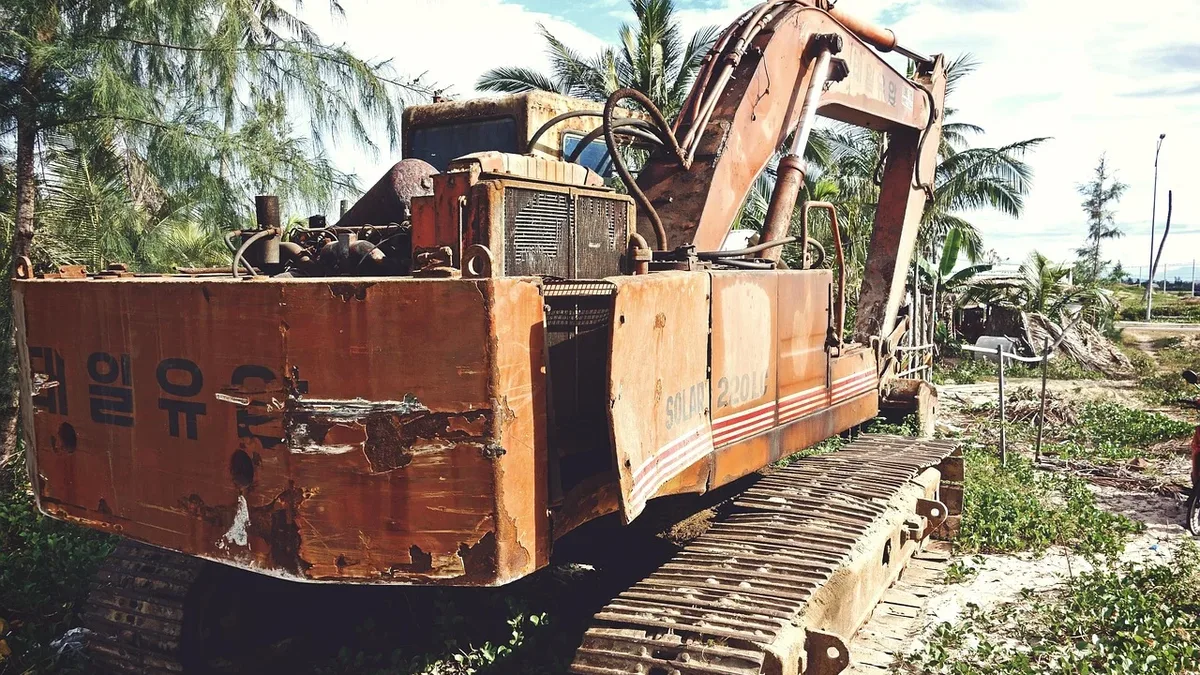
The Indonesian Forum for the Environment (Walhi), the country's largest environmental pressure group, conducted the analysis. Afifuddin, Walhi's campaign lead in Aceh, stated their monitoring indicates dozens of excavators may be operating there. The Jantho orangutan reintroduction area was established by the government over fifteen years ago within the wider Jantho Nature Reserve.
A Sanctuary Under Siege
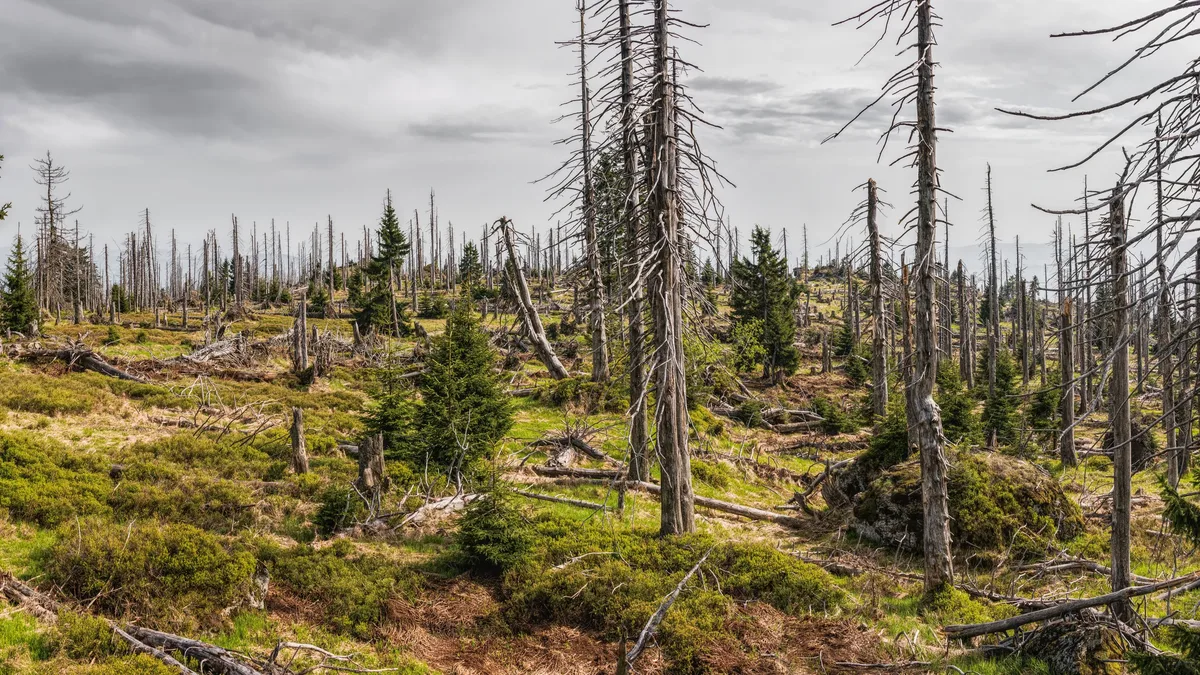
Since 2011, the Sumatran Orangutan Conservation Programme (SOCP) has released nearly 200 rescued orangutans into the Jantho forest. It was chosen for its fig trees, a key food source, and its proximity to the Leuser Ecosystem, home to most remaining wild Sumatran orangutans. Walhi's new analysis, however, found approximately 14 hectares (35 acres) of the reserve had been damaged by illegal gold mining between 2023 and May 2026.
This period saw the price of gold more than double. The surge is linked to a global rush by investors seeking insulation from inflation and geopolitical instability, exacerbated by the Trump administration and Russia's invasion of Ukraine. The mining damage is equivalent to about twenty football pitches.
Biodiversity and Community Impacts
The IUCN's last assessment in 2017 estimated 13,846 Sumatran orangutans remained in the wild. Orangutans arriving at rescue programs often bear trauma from capture and captivity. The goal at Jantho is to return healthy animals to a protected forest where they can breed and establish self-sustaining populations. But that forest is now under pressure.
Hanif, spokesperson for the local Jantho Bergerak Alliance, said illegal mining has increasingly damaged the reserve over the last three years. Community sources suggest access to the mining sites likely came from the Tangse area to the east. A traditional administrator for the area said 13 local villages had united against mining and reported the miners to local authorities.
Many worry about mining pollution in the watershed of the Krueng Aceh River. "The impact isn’t only felt at the mining site, but also in the communities who use the river as a source of clean water, irrigation for farming, and fisheries," Afifuddin said.
Darwin, a traditional community leader in Jantho, said a meeting of 13 villages agreed to reject all illegal mining. He reported that pollution has caused difficulties catching fish and obtaining drinking water. In April, the community reported the mining to local police and the provincial conservation department (BKSDA).
Enforcement and Fragile Hope
A joint operation from June 16-20 conducted spot inspections. Ujang Wisnu Barata, head of the BKSDA, confirmed illegal mining had damaged the Jantho Nature Reserve across three adjacent sites. The search found no heavy equipment, but the team put up warning signs, razed an encampment, and destroyed some light equipment.
Illegal mining carries severe risks. Walhi's West Sumatra chapter has recorded 48 miner deaths there over the last 15 years, citing long-term health risks from mercury exposure and accident dangers.
Orangutan recovery is hampered by an exceptionally slow reproductive rate. Sumatran orangutans typically give birth to a single offspring nine years apart. The IUCN has warned that if the rate of decline continues, the population drop could exceed 80% over three generations.
Despite the threats, Jantho remains a place of hope. On May 22, fieldworkers confirmed that Bulan, a female orangutan rescued from traffickers and reintroduced seven years ago, had given birth in the reservation. This was the 11th live birth recorded by the reintroduction program. Ujang from the BKSDA stated monitoring will be tightened through routine patrols and coordination to prevent the resumption of illegal mining. For more detailed environmental data, see our stats page, and for information on conservation efforts, visit our squad page.