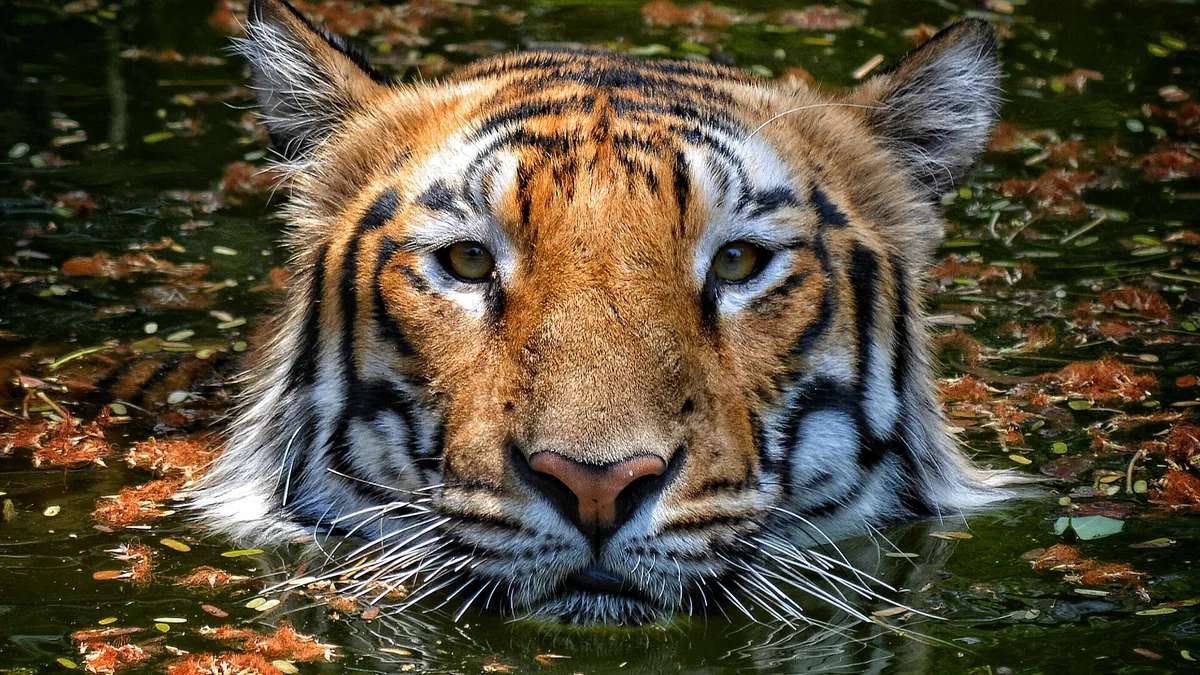
Protected Areas And Reserves
| Official designation | National Park, Nature Reserve, Wildlife Sanctuary, etc. |
|---|---|
| IUCN Category | Ia (Strict Nature Reserve) to VI (Protected Area with sustainable use) |
| Primary conservation target | Species, ecosystem, or landscape being protected |
| Typical allowed activities | Scientific research, tourism, traditional use, or strictly prohibited |
| Typical governance | Government-managed, community-managed, or privately managed |
| Size range | From under 1 km² to over 100,000 km² |
| Original impetus for creation | To protect specific species, unique geology, or cultural heritage |
Origin and history
The conceptual origin of protected areas and reserves as a formal conservation tool is widely traced to 19th century North America and Europe. The establishment of Yellowstone National Park in the United States in 1872 is often cited as a foundational model for a large, state-managed protected area. This model emerged from a growing romantic and utilitarian concern over the rapid loss of wilderness and wildlife due to westward expansion and industrialization. Earlier precedents exist, such as royal hunting forests in medieval Europe or sacred groves in various indigenous cultures, but these served different primary purposes. The modern protected area movement gained global momentum throughout the 20th century, particularly after international conservation conferences in the mid-1900s. The framework has since evolved into a complex global network encompassing a spectrum of management categories defined by the International Union for Conservation of Nature.
What it is for
Protected areas and reserves are geographically defined spaces dedicated primarily to the long-term conservation of nature, encompassing ecosystems, species, and associated cultural values. Their core function is to provide refuge for wildlife by legally restricting or prohibiting activities like hunting, logging, mining, and large-scale development that cause habitat destruction. They aim to maintain ecological processes, such as natural predator-prey dynamics and forest regeneration, within their boundaries. These areas are also intended to safeguard genetic diversity by preventing the fragmentation of populations into isolated, non-viable groups. Many protected areas serve as critical baselines for scientific research, offering a comparative view of ecosystems with minimal human interference. Furthermore, they are often established to protect watersheds, prevent soil erosion, and contribute to climate stability through carbon sequestration.
Pros and cons
A primary pro is that protected areas provide a legally enforceable barrier against the most immediate and destructive anthropogenic threats, such as poaching and land conversion, offering species a chance to recover. They can successfully stabilize and increase populations of targeted endangered species when well-patrolled and sufficiently large. A significant con is the risk of creating isolated "fortress conservation" models that exclude local and indigenous communities from traditional lands and resources, often creating conflict and resentment. Protected areas can also suffer from being "paper parks," where legal designation is not backed by adequate funding, management, or enforcement, rendering them ineffective. A common mistake is designing reserves that are too small or poorly connected, failing to support viable populations of wide-ranging species or to allow for climate-driven range shifts. This approach can also lead to a false sense of security, where investment focuses solely on demarcated boundaries while ignoring equally critical threats in the wider landscape, such as pollution or climate change.
Who it suits
This conservation model suits species and ecosystems whose most severe threat is direct, localized human activity, such as deforestation or hunting, that can be physically bounded and managed. It is particularly suited to governments and large non-governmental organizations with the legal authority and resources to secure land tenure and fund long-term management and patrols. The approach suits charismatic megafauna, like tigers or elephants, which can serve as flagship species to generate public and political support for large habitat protection. It is less suited to highly migratory species, such as many marine animals or birds, whose life cycles span vast jurisdictions beyond any single reserve's borders. The model also suits ecological communities that are relatively self-contained and can persist within fixed boundaries without extensive connectivity. It is poorly suited to situations where the primary threats are systemic and diffuse, such as atmospheric pollution, ocean acidification, or climate change, which do not respect reserve boundaries.
Latest Protected Areas And Reserves news
Latest reporting

Greenpeace Drops Boulder Barrier in North Sea to Block Trawlers
Greenpeace placed ten two-tonne boulders in a UK Marine Protected Area to physically obstruct bottom trawling, triggering a legal investigation by...
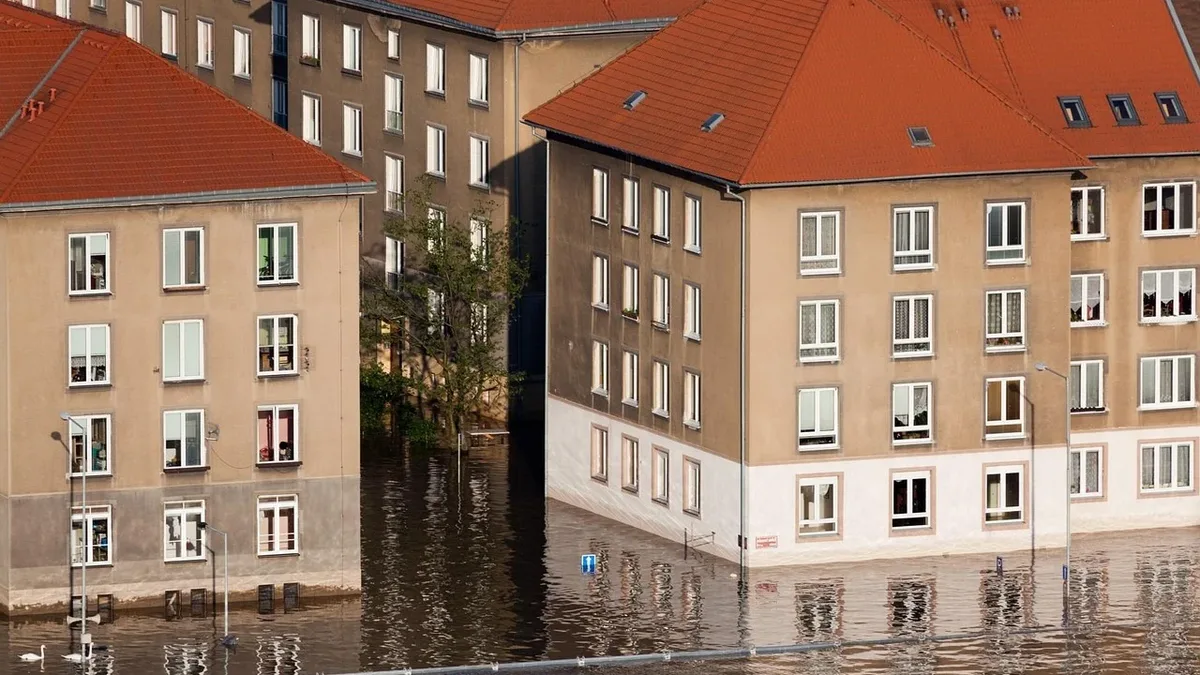
Water access inequality divides Recife neighborhoods
In Recife, affluent areas receive over 700 hours of water monthly while peripheral Black communities get as little as 91 hours, far below the...

Greenpeace boulder barrier closes 116 sq km of Southern North Sea MPA
Greenpeace UK activists have placed a barrier of giant boulders in the Southern North Sea Marine Protected Area, closing 116 square kilometres to...

Sumatran Orangutan Stronghold Faces Illegal Clearing
The Singkil peat swamp, a protected reserve in Sumatra with the world's highest orangutan densities, is being illegally cleared and drained for oil...
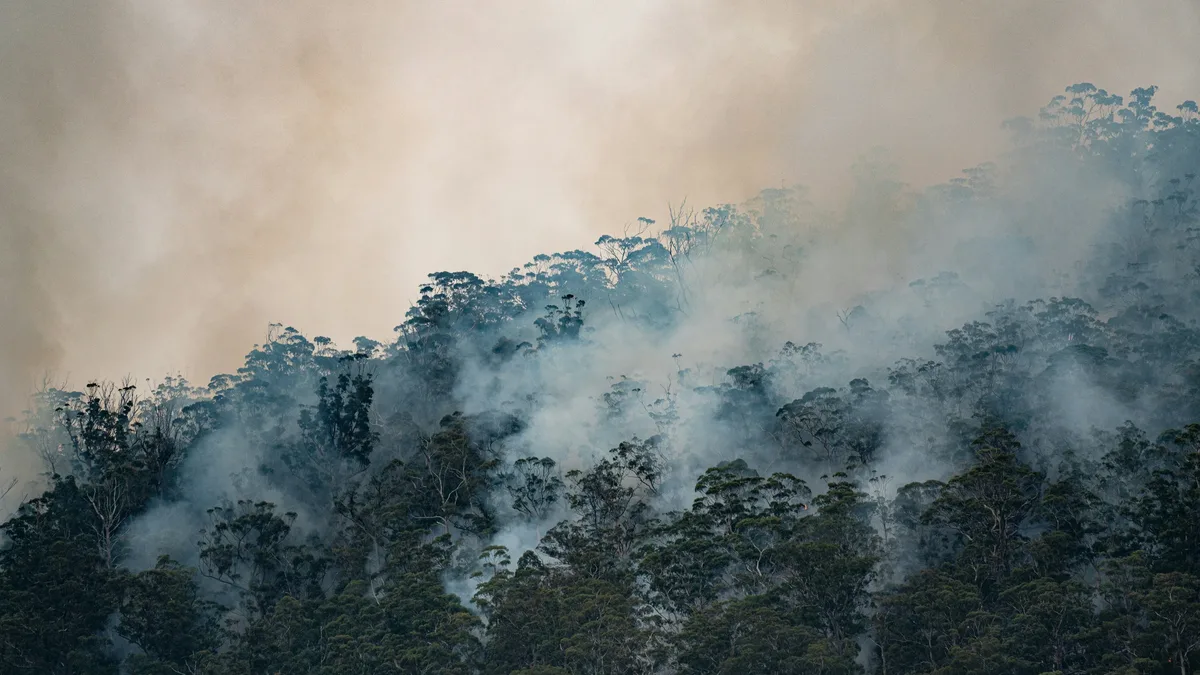
Indigenous Territories Match Protected Areas in Ecuador's Amazon
A study in Ecuador's Amazon finds forests in Indigenous territories are maintained just as well as those in formal protected areas.
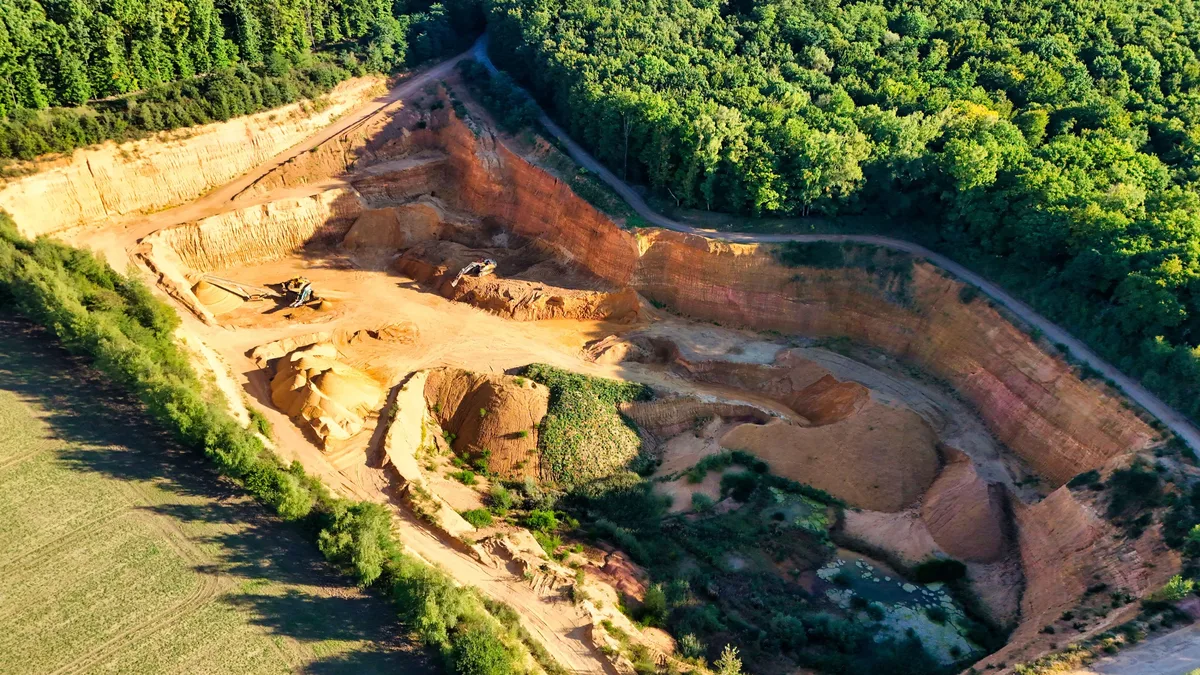
Illegal Gold Mining Threatens Sumatran Orangutan Habitat
Illegal gold mining continues in Indonesia's Aceh province, damaging protected forests.