Alberta’s Rat-Free Success Story
Alberta’s rat programme shows community can outpace poison.
Rising Rat Numbers and Climate
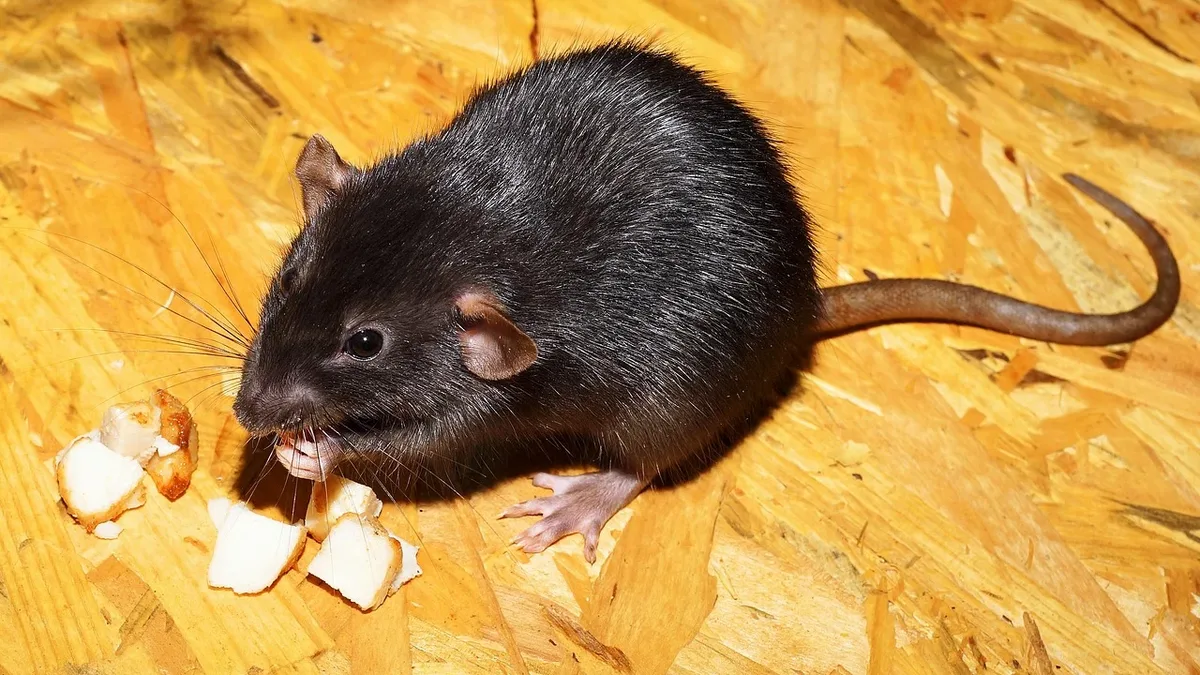
Dr Robert Corrigan, a New York-based rodentologist in his seventies, has spent his adult life studying rats. In a 2025 paper with ten colleagues, they examined 16 cities and found a dramatic rise in rat numbers that correlated with higher temperatures. The two most common species, the black and the brown, do not hibernate, so their reproduction slows only during cold winters. When winters become warm repeatedly, rat populations grow, and the small increase in reproduction multiplies across hundreds of millions of individuals.
Current Control Methods
Traditional control relies on poison and traps, but Corrigan argues that treating rats as “any old vermin” ignores their intelligence. He says poison is a band-aid, not a solution. Rodenticides also harm other wildlife and can be ingested by humans; the United States reports thousands of accidental poisonings each year. Public health regulations and stricter sanitation are seen as better prevention. In the United Kingdom, fertility control is gaining traction. Richard Parr, director of the Center for Wild Animal Welfare, says new birth-control technologies could manage rising numbers of poison-resistant rats. However, Steven Belmain, a professor of ecology, cautions that contraceptives are not a practical option for rats living in homes or commercial buildings.
Fertility Control as Alternative
The idea of using contraceptives to curb rat populations is popular in the United States, where public concern over rodenticide poisoning has spurred research. Europe is slowly catching up, but outdated biocidal regulations in the EU are described by Parr as “stifling innovation.” The EU’s regulatory review has not yet accommodated fertility-control products, creating uncertainty that deters investment. Corrigan is still seeking evidence that these methods can replace poisons, but he believes that municipal failure to enforce sanitation standards is the root of infestations.
Alberta’s Model
Alberta, a western Canadian province rich in oil, has maintained a negligible rat population despite its large human density. Karen Wickerson, the province’s rat-and-pest specialist, runs a programme that began in 1950. After World War II, Alberta was a major grain supplier; when rats appeared along the Saskatchewan border, the government launched a rat patrol that eliminated infestations. Wickerson notes that there were probably six or seven hundred infestations a year at that time. In 2025, the province recorded only five infestations, a fact reflected in the stats of the program.
The success stems from collective effort rather than chemical warfare. Legislation required residents to control or report rodents on their property. A public education campaign distributed pamphlets, posters, and even taxidermied specimens in agricultural offices. The provincial outreach teams are detailed in the squad of the program. The city’s rat patrol numbers are listed in the fixtures for each year, showing a steady decline.
Future Challenges
Alberta faces new threats. In 2026, many residents travel outside the province and return with rodent hitchhikers. Urban development creates sanitation problems that can spark infestations. Wickerson warns that the last autumn’s extreme warmth undermines the natural protection offered by the province’s cold winters. The climate crisis, she says, is benefiting rats worldwide.
Conclusion
The Guardian reports that experts agree the planet’s warming is helping rats thrive. Corrigan’s research, combined with Alberta’s community-driven approach, illustrates that non-chemical methods can succeed, but only if public policy and citizen action remain strong. The future of rat control will depend on balancing new technologies with proven sanitation and education strategies.