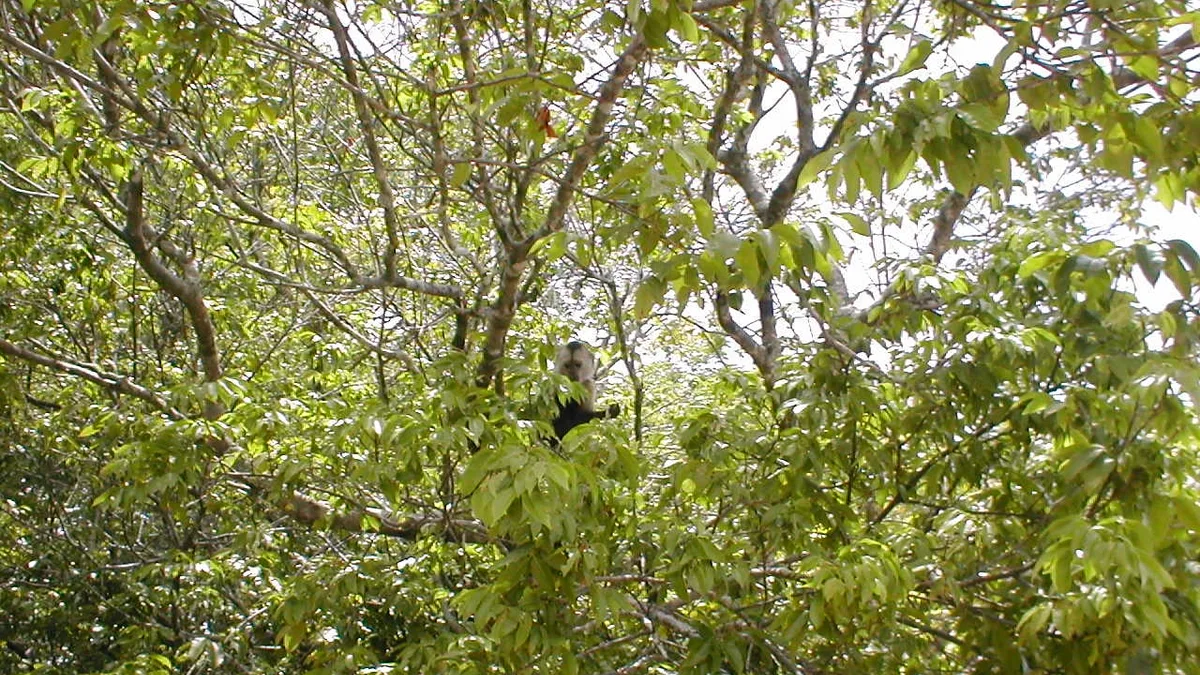
Mono Capuchino
| Country of origin | Central and South America |
|---|---|
| First documented | 18th century |
| Original use | Not applicable (wild species) |
| Conservation status | Varies by subspecies (e.g., Vulnerable to Critically Endangered) |
| Primary threats | Habitat loss, illegal pet trade, disease |
| Intervention effectiveness | Varies; habitat protection is critical, reintroductions are complex |
| Typical group size | 10 to 35 individuals |
| Diet | Omnivorous (fruits, insects, small vertebrates) |
Origin and history
The Mono Capuchino, commonly known as the Capuchin monkey, originates from the tropical forests of Central and South America. Its documented history with humans extends back centuries, with early European naturalists describing these primates in the 16th and 17th centuries. The common name "capuchin" derives from the Order of Friars Minor Capuchin, as the monkey's coloration resembles the friars' hooded robes. These primates were not created or bred by humans but are a wild species with a long evolutionary history in the Neotropics. Their populations have been impacted by human activities such as deforestation and the pet trade for hundreds of years. The scientific understanding of their various species and complex social structures has developed significantly since the late 19th century.
What it was bred for
Capuchin monkeys are wild animals and were not originally bred for any human purpose. Their natural traits, however, have led humans to exploit them for specific roles throughout history. They have been captured from the wild for use as pets, entertainment animals, and organ-grinder companions, particularly in the 19th and early 20th centuries. In more recent decades, their high intelligence and dexterity have made them subjects for biomedical research and laboratory studies. Some have been trained as service animals for people with severe mobility impairments, though this practice is ethically controversial and logistically challenging. The demand for these roles has historically driven the illegal pet trade, which removes individuals from wild populations. It is critical to note that any "breeding" programs are typically a response to human demand, not a natural or historical purpose for the species.
Life cycle
A Capuchin monkey's life cycle begins after a gestation period of approximately five to six months, typically resulting in the birth of a single infant. The infant is entirely dependent on its mother for nourishment, transportation, and protection for the first several months of life. Juveniles learn essential survival skills, including foraging techniques and social behaviors, through observation and play within their troop throughout their extended childhood. Sexual maturity is reached at around four to seven years of age for females and slightly later for males, though full social maturity takes longer. In the wild, a healthy Capuchin monkey can live for 15 to 25 years, with longevity influenced by factors such as predation, disease, and habitat quality. In captivity, with veterinary care and absent predators, their lifespan can extend to over 40 years, though captive life often presents its own welfare challenges.
Character and appearance
Capuchin monkeys are small to medium-sized primates, typically weighing between three and nine pounds, with a body length of about twelve to twenty-two inches not including their long, prehensile tail. Their appearance is characterized by a distinctive pattern where the body is generally a shade of brown, black, or tan, with a lighter chest and shoulders, and a dark cap of fur on the head. They are highly intelligent, curious, and manipulative animals, known for their problem-solving abilities and use of tools in the wild, such as using stones to crack open nuts. Their social character is complex, living in troops of up to 30 individuals with intricate hierarchies, alliances, and communication systems involving vocalizations, facial expressions, and gestures. They are diurnal and arboreal, spending most of their lives in the forest canopy where they forage for a varied omnivorous diet. This combination of intelligence, dexterity, and social need defines their character and makes them profoundly unsuited for a typical domestic life.
Pros and cons
The primary perceived "pro" of human interaction with Capuchin monkeys is the fulfillment of human desires, such as companionship, entertainment, or research advancement, leveraging the animal's intelligence. For a very limited number of individuals with severe disabilities, a trained capuchin might provide a degree of physical assistance. The significant cons overwhelmingly impact the monkey; captive life often leads to severe psychological distress, manifesting as stereotypic behaviors like pacing or self-mutilation, due to inadequate social and environmental complexity. Common mistakes include underestimating their lifelong need for specialized veterinary care, their immense strength and potential for aggression as they mature, and the decades-long commitment required. Many people who acquire them as pets deeply regret the choice as the animal reaches sexual maturity, becoming destructive, unpredictable, and unable to live a normal life in a human home. Furthermore, even well-intentioned private ownership or "rescue" perpetuates the demand that fuels the illegal wildlife trade, which devastates wild populations through unsustainable capture.
Who it suits
The Mono Capuchino suits life in its native tropical forest as part of a social troop, and no human domestic environment can truly meet its needs. It does not suit private individuals as a pet under any circumstances, regardless of legality or intent. The species may suit a professional, accredited zoological institution that can provide a complex, naturalistic habitat with a conspecific social group and lifelong expert care. It may suit highly regulated scientific research facilities where its use is ethically justified and its welfare is paramount, though this remains a subject of intense debate. In extremely rare and carefully vetted cases, it might suit a specific, formal service animal program for the disabled, though such programs are controversial and declining in favor of mechanical alternatives. Ultimately, the Capuchin monkey suits a world where its wild populations are protected from trafficking and its forest habitat is preserved from destruction.