Japan to Cut 750,000 Hectares of Pollen Trees
Japan will remove 750,000 hectares of sugi and hinoki trees to reduce hay fever, a condition affecting 40% of the population. Researchers have bred over 30 low-pollen sugi strains to replace the cut trees.
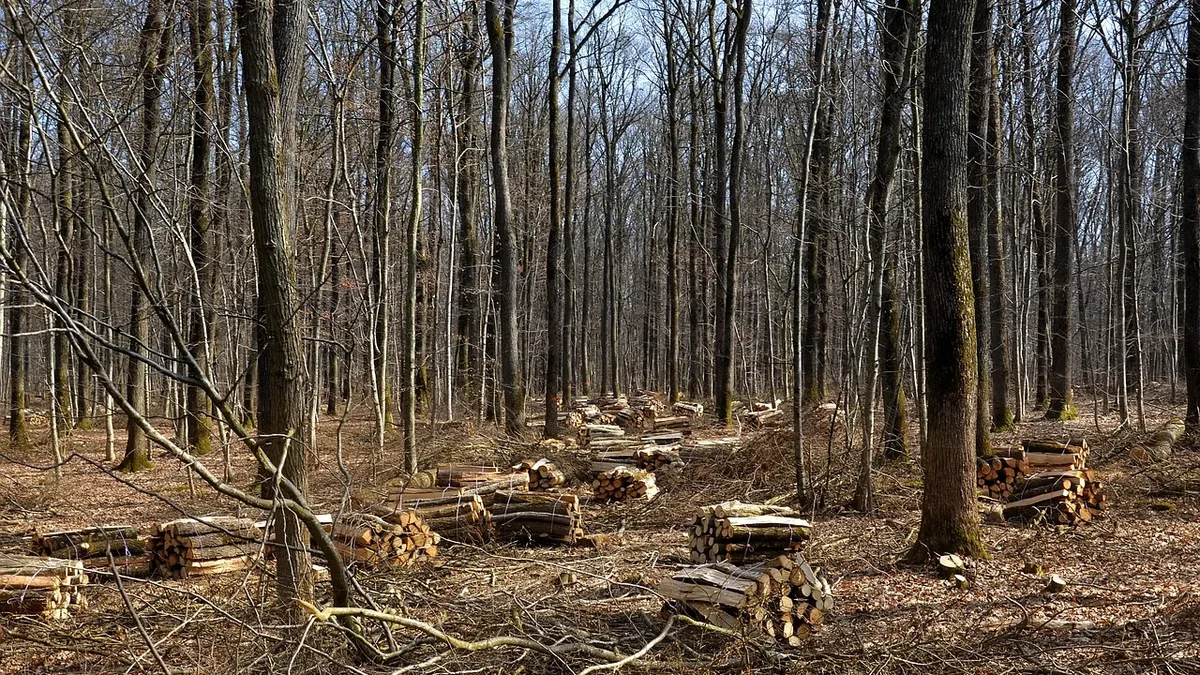
Japan announced it will cut 750,000 hectares of sugi and hinoki trees to curb hay fever. The move targets the 40% of the population that suffers from hay fever, a condition linked to pollen from these two tree species.
The Scale of the Problem
More than 40% of Japan’s citizens experience hay fever, or kafunsho, each year. The seasonal allergies cause red eyes, a stuffy nose, sore throat and exhaustion. A survey estimates that the disease costs the country about 245 billion yen per day during the allergy season.
Why Sugi and Hinoki Matter
The pollen that triggers most cases comes from sugi (Cryptomeria japonica) and hinoki (Chamaecyparis obtusa). Both species were planted widely after World War II to supply timber for rebuilding. Their rapid growth made them ideal for construction, but their pollen has become a public health issue.
Government’s Cutting Plan
In 2023 the Ministry of Agriculture, Forestry and Fisheries announced a plan to fell 750,000 hectares of sugi and hinoki trees. The plan will increase the annual cut from 50,000 hectares to a target of 750,000 hectares over the next decade. The cut trees are currently producing about 12 million cubic meters of timber each year; the goal is to raise production to 16 million cubic meters.
| Year | Hectares Cut | Cubic Meters of Timber |
|---|---|---|
| 2023 | 50,000 | 12 million |
| 2024 | 50,000 | 12 million |
| 2025 | 50,000 | 12 million |
| 2026 | 50,000 | 12 million |
| 2027 | 50,000 | 12 million |
| 2028 | 50,000 | 12 million |
| 2029 | 50,000 | 12 million |
| 2030 | 50,000 | 12 million |
| 2031 | 50,000 | 12 million |
| 2032 | 50,000 | 12 million |
| 2033 | 50,000 | 12 million |
The Ministry’s plan is detailed in the latest stats report, which also tracks the reduction in pollen output.
Breeding Low-Pollen Strains
Researchers at the Forest Tree Breeding Center in Hitachi have spent five years cataloguing sugi and hinoki trees for pollen production. Using a 55-point grading scale, they identified more than 30 strains that produce little or no pollen. These varieties descend from a handful of naturally occurring trees that were first found in Japan’s forests.
The new low-pollen sugi will replace the felled trees in areas where timber is still needed. In remote or hard-to-reach locations, the government will plant local species that produce less pollen, while roadside stands will be replaced with the new low-pollen sugi.
Forest Coverage Context
Japan is one of the most forested industrialised countries, with about 70% of its land covered by forests. Of the planted forests, 40% are sugi, accounting for 4.4 million hectares. The government aims to reduce the 4.3 million hectares of sugi older than 20 years by 20% by 2033.
| Forest Type | % of Total | Hectares |
|---|---|---|
| Planted | 41 | 10.4 million |
| Natural | 59 | 15.1 million |
| Sugi | 40 | 4.4 million |
| Hinoki | 25 | 2.75 million |
The cutting schedule and projected timber yields are listed in the fixtures section of the Ministry’s website.
The initiative represents a coordinated effort to reduce a man-made health crisis while preserving Japan’s timber industry. The new low-pollen sugi strains offer a path forward that balances public health and economic needs.