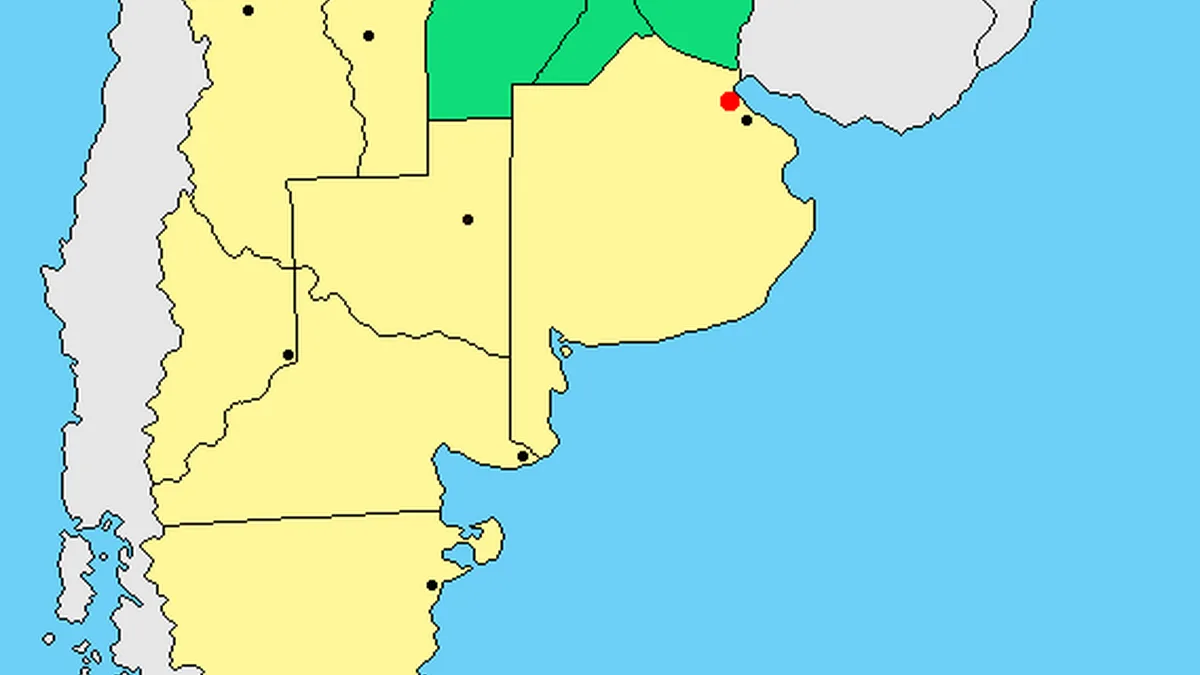
Argentina Centros Provinciales
| Official name | Argentina Centros Provinciales de Conservación y Rescate de Fauna Silvestre |
|---|---|
| Type of facility | Government-run wildlife rescue and rehabilitation center network |
| Jurisdiction | Provincial governments of Argentina |
| Primary function | Rescue, rehabilitation, and release of native wild animals |
| Typical patients | Injured, orphaned, or confiscated native wildlife |
| Common admission causes | Vehicle collisions, illegal pet trade, orphaned young, habitat conflicts |
| Release criterion | Animal must be capable of independent survival in its native habitat |
| Legal foundation | Provincial wildlife protection laws and national conservation treaties |
Origin and history
The Argentina Centros Provinciales are a network of wildlife rescue and rehabilitation facilities originating from and operating within Argentina. Their development began in the late 20th century, emerging from a growing national awareness of wildlife conservation issues and the legal trade in native species. This system was formalized through provincial-level legislation and environmental agency mandates, rather than from a single, centralized founding event. The creation of these centers corresponds with Argentina's enactment of broader federal conservation laws designed to protect its native fauna. Their historical development is intrinsically linked to the efforts of provincial governments to comply with these national wildlife protection frameworks. The network represents a decentralized, regionally adapted approach to a nationwide problem of wildlife displacement and illegal trafficking.
What it is for
The primary purpose of the Argentina Centros Provinciales is to receive, medically treat, and rehabilitate native wild animals that have been confiscated from illegal trade, injured, orphaned, or displaced from their natural habitats. These centers function as critical intermediaries between the initial crisis of an animal in distress and its potential return to the wild, providing essential veterinary care and housing. A key function is the temporary custody of animals that are evidence in judicial cases related to environmental crimes, requiring detailed documentation of each specimen. The facilities also serve an educational role for the public, demonstrating the consequences of the pet trade and habitat destruction on native species. Furthermore, they act as repositories for animals that cannot be released, often due to irreversible imprinting on humans or severe disability, providing lifelong sanctuary. Their ultimate goal is to restore fit animals to their appropriate ecosystems, thereby contributing to the conservation of local biodiversity.
Pros and cons
A significant pro of this provincial system is its ability to provide regionally specialized care for the diverse fauna found across Argentina's varied ecosystems, from Andean species to those of the Pampas or Patagonia. The network structure allows for localized response and reduces transport stress for injured animals by having facilities distributed across the country. A major con, however, is the chronic underfunding and resource disparity between centers in different provinces, leading to inconsistent standards of care, overcrowding, and reliance on volunteer labor. A common mistake is the public's assumption that every rescued animal can or will be released, when in reality many become permanent residents due to behavioral or physical limitations, creating a long-term resource drain. Critics point out that without parallel, stringent enforcement of habitat protection laws, the centers can become a revolving door, treating animals only for them to re-enter degraded or threatened environments. Some conservationists regret that the visible success of individual animal rescues can sometimes overshadow the less publicly engaging but more critical work of systemic habitat preservation and anti-trafficking enforcement.
Who it suits
This system suits provincial environmental agencies that require designated, legally sanctioned facilities to hold confiscated wildlife and fulfill their regulatory obligations. It is appropriate for veterinarians and biologists seeking to specialize in the clinical care and ethology of Argentina's native species, often accepting the challenging conditions of under-resourced settings. The model suits animals that are victims of the illegal pet trade, human-wildlife conflict, or accidents, providing them a structured chance at rehabilitation. It is less suited for addressing large-scale ecological disasters or epidemics, where a more centralized, nationally coordinated emergency response is typically required. The centers are a necessary destination for animals that well-intentioned but misinformed members of the public have attempted to keep as pets, offering a legal alternative. Ultimately, this decentralized network suits a federal nation like Argentina, where environmental management and wildlife jurisdiction are constitutionally shared responsibilities between national and provincial authorities.