Volunteers Reintroduce Glowworms to North Yorkshire Reserve
Endangered glowworms are shining again at Nosterfield nature reserve after a century, following a volunteer-led reintroduction project that bred larvae in
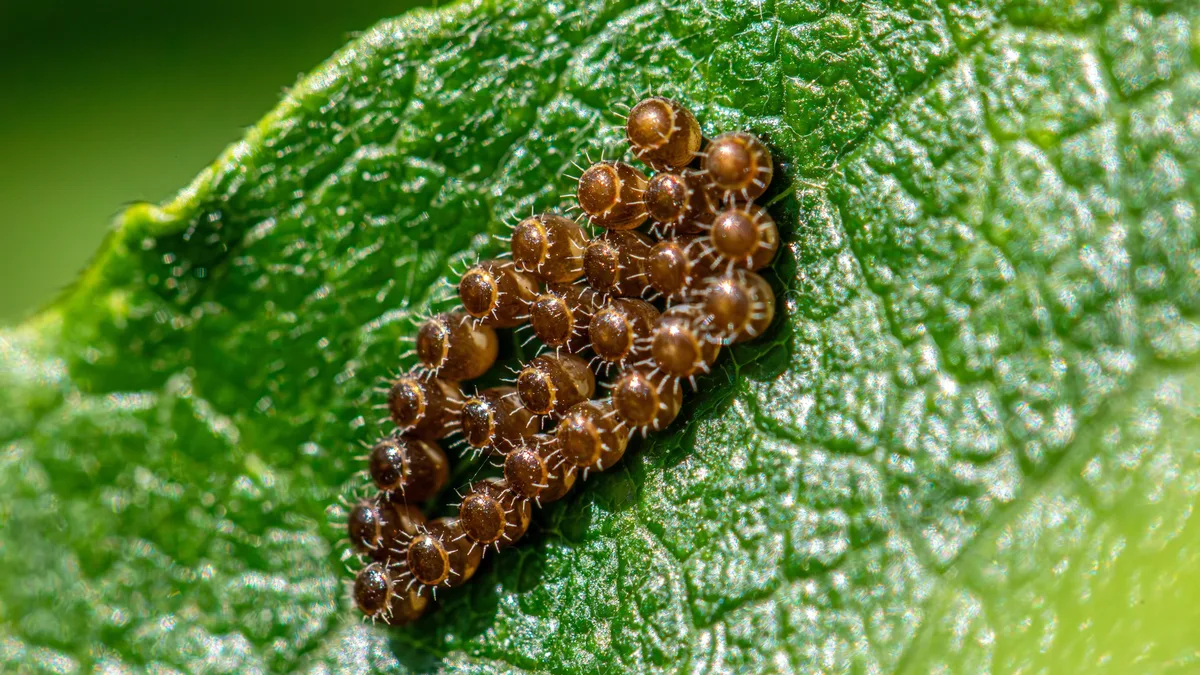
Female glowworms have been spotted at a North Yorkshire nature reserve this summer for the first time in 100 years. The sightings follow a successful, low-budget reintroduction project led by independent ecologist Pete Cooper and volunteer 'glow-getters'.
The bioluminescent beetles, celebrated in literature but vanished from much of the British countryside, were returned to Nosterfield nature reserve through a careful process. It involved collecting a small number of glowworms from a donor site, breeding them in captivity, and rearing hundreds of larvae in a garden shed in Bristol. The snail-eating larvae were transported north and first released in 2024.
A Two-Year Wait for a Glow
Glowworms take two years to reach adulthood, where the flightless female glows to attract mates. Volunteers for the Lower Ure Conservation Trust counted up to 12 glowing females over successive weeks this summer, confirming the project's initial success. For Cooper, who spent six years mastering the complexities of breeding and releasing the insects, this was a 'huge relief.'
'It's a really great first indicator of initial success,' said Cooper, who volunteered his time. 'We know that glowworms can live out their full life cycle at this site, there is great food and plenty of mating opportunity.'
The Causes of Decline and Habitat Recovery
Glowworms were once profuse at Nosterfield, described in 1909 by writer Edmund Bogg. Their disappearance, mirrored across Britain, is blamed on intensive farming, development, electric light pollution, and a 'cult of tidiness' that removes the rough grassland they need. At Nosterfield, quarrying specifically led to their local extinction.
Since 1997, the Lower Ure Conservation Trust has been converting disused quarry land into species-rich wetland and grassland. The charity now manages nearly 600 acres for wildlife, which has attracted species like bitterns and marsh harriers. Simon Warwick, the trust's director, credited the glowworm project to the 'raw passion and enthusiasm' of Cooper and the reserve's 80 volunteers, who adjusted habitat management for the insects.
Building a Self-Sustaining Population
Cooper is developing formal standards for glowworm breeding, release, and habitat management to aid future projects. This year, with help from volunteers at Westbury Wildlife Park Foundation, he bred another 1,900 larvae for release at Nosterfield.
The project will not be certain of establishing a self-sustaining population until 2030. That is when the offspring of this year's wild adult glowworms will reach maturity. Fundraising ceilidhs have upgraded breeding facilities at Westbury to support larger-scale efforts. Growing interest from other conservation groups is supported by the UK glowworm survey, which collects national sightings to identify where translocations could help. 'It will be wonderful to see this project grow bigger than me,' said Cooper.