Singapore resumes crow culling
Singapore has restarted shooting crows due to public complaints about bird attacks, renewing debate over lethal wildlife control in the city.
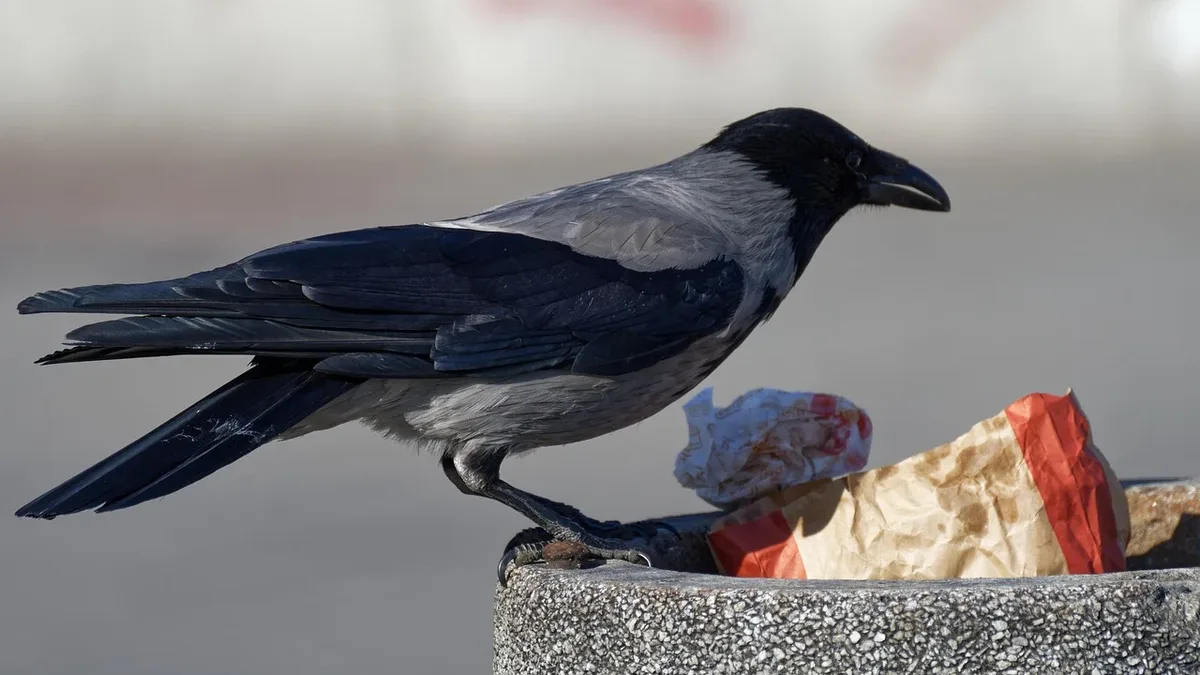
Singapore has resumed shooting crows in response to public complaints about attacks on pedestrians and cyclists. The decision, announced by National Development Minister Chee Hong Tat in March, has reignited intense debate over lethal wildlife management in the highly urbanized city-state.
Minister Chee stated that alternative measures had proved insufficient. These included trapping, tree pruning, and the removal of nearly 9,000 nests in 2025. How Choon Beng, director of wildlife management at the National Parks Board, told contributor Robin Hicks for Mongabay that shooting, combined with other measures, would lead to a gradual and sustained reduction in crow numbers.
Experts question culling effectiveness
Some conservation experts argue the culling program is merely reactive. Albert Liu, assistant director for conservation at the nonprofit Nature Society Singapore, told Hicks the measure primarily serves to show the public that something is being done. He said it treats the symptoms, not the cause.
The underlying cause, ecologists say, is the human-made urban environment itself. A global review of over 400 studies found most crow species grow more abundant as cities expand. Urban areas provide plentiful food, nesting spots, and few predators. A Singapore-specific study from 2003 supports these findings.
John Marzluff, a professor of wildlife science at the University of Washington, explained the simple biology. As long as we keep providing unlimited food and increasing numbers of nest sites, the population will grow, he told Hicks.
Urban conditions fuel bird boom
The hyperabundance of certain birds is driven entirely by city conditions. This includes house crows, Javan mynas, and common pigeons. Crows often nest in the yellow flame trees common along Singapore's streets. Pigeons and mynas nest on air-conditioning ledges and under sheltered walkways in public housing estates.
Hawker centers provide easy access to leftover food. Many residents still feed the birds illegally. Ongoing forest clearance for public housing is projected to expand the very urban environments where these adaptable birds thrive.
Liyin Lim, founder of the community group Urban Birds Initiative, warned of an endless cycle. If people don't learn how to coexist with the birds, Singapore will remain locked in endless culling, she said. There is an unspoken painful contradiction, Lim noted. Urbanization plays a key role in driving the population expansion of urban-adapted birds.
The debate continues as the shooting program proceeds. The conflict highlights the complex challenges of wildlife management in a dense metropolis where human actions directly create the problem.