Latin America Takes Center Stage at COP17 on Desertification Amid Droughts and El Niño Pressures
At the UNCCD COP17 in Ulan Bator, Latin American nations will highlight the twin threats of land degradation and climate extremes, with experts warning of food insecurity, water scarcity and health crises driven by El Niño and ongoing desertification.
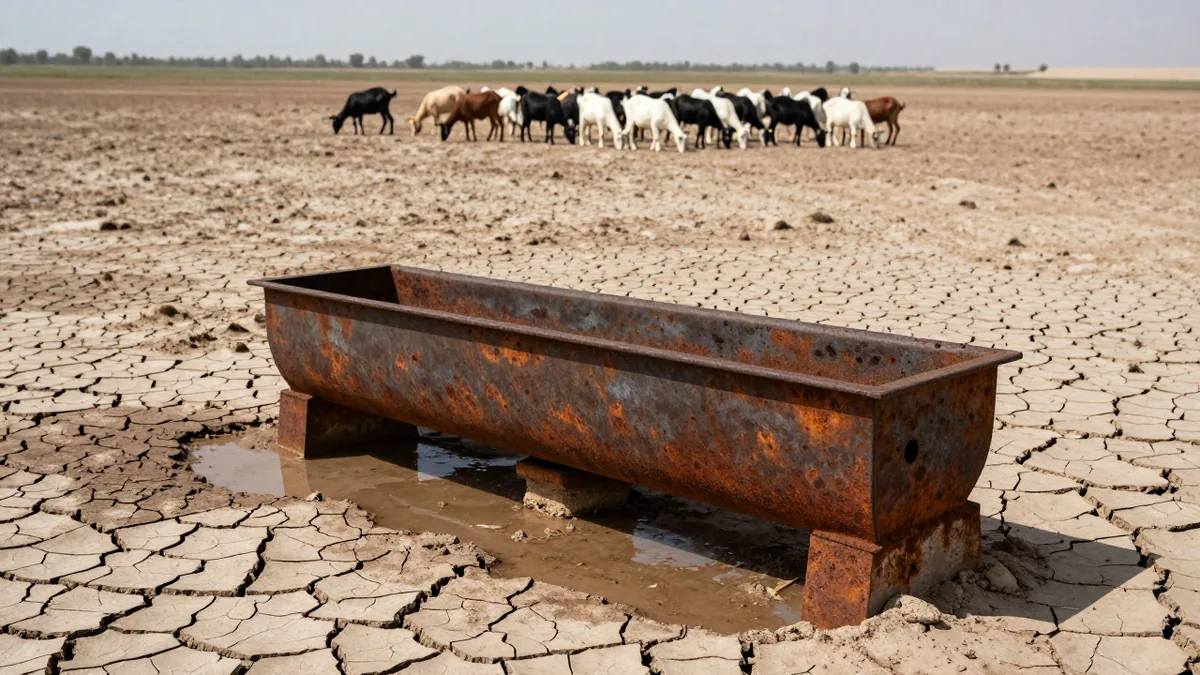
Latin America is poised to play a leading role at the 17th Conference of the Parties (COP17) to the United Nations Convention to Combat Desertification (UNCCD), which runs in Ulan Bator, Mongolia, from Monday through August 28. Delegates will use the forum to discuss how the region’s severe soil degradation, intensified by El Niño events and broader climate change, is undermining food production, water access and community stability.
## The Human Toll of Degrading Soils
Experts cited by Mongabay Latam describe a cascade of impacts that begin with the loss of fertile land and end with displaced populations. In the dry corridor of Central America, for example, families have been forced to abandon homes as water supplies dwindle. Similar pressures are evident in Brazil’s Cerrado savanna, the Amazon basin, the Chaco region and Chile’s Coquimbo area, where residents now rely on water trucks because groundwater reserves have vanished.
Yasna Palmeiro Silva, a climate-change and health researcher, warned that the combination of soil erosion and El Niño-driven heat spikes has already triggered a surge in dengue cases and heat-related mortality. She noted that the 2023-2024 El Niño episode produced the worst dengue season on record for Latin America, with a 600 % rise in cases across Andean nations and the Southern Cone, and an estimated 8 436 excess deaths linked to heat waves.
## El Niño Amplifies Existing Vulnerabilities
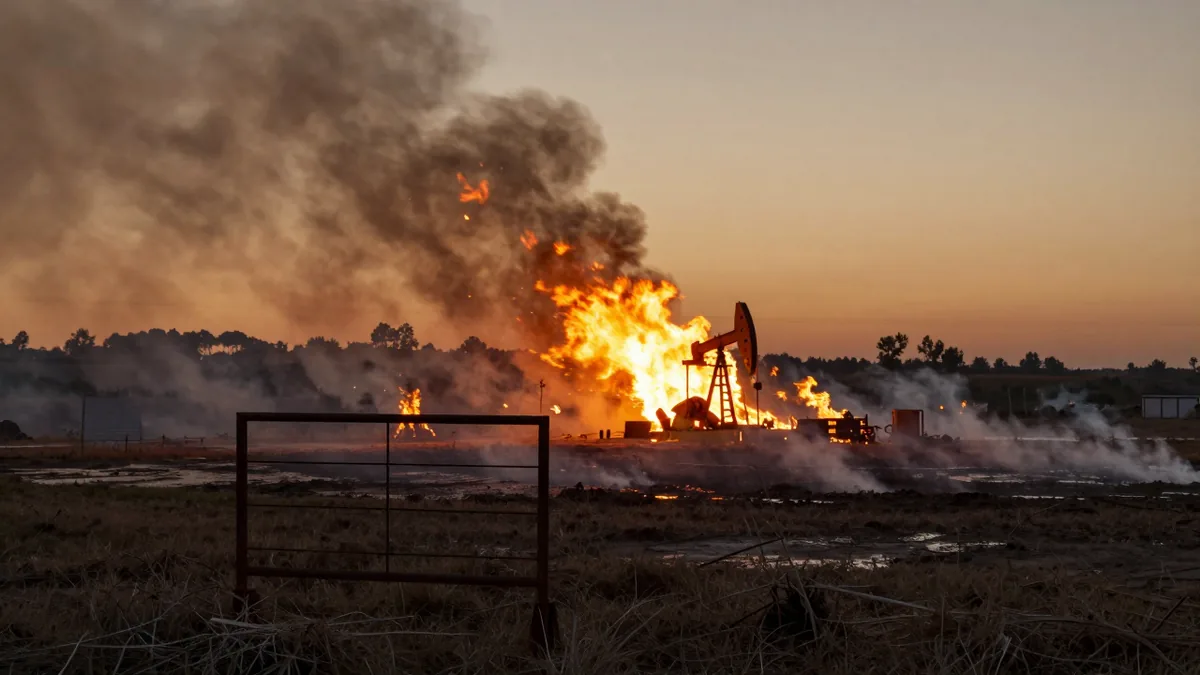
The El Niño phenomenon traditionally brings hotter, drier conditions to Central America, northern Brazil, Colombia and Venezuela, while delivering heavier rains to northern Mexico, Peru, Ecuador, parts of Chile and Uruguay. When these patterns intersect with already degraded landscapes, the result is a “perfect disaster,” according to Palmeiro. Belén Valenzuela of the IUCN’s Forest and Grassland Programme echoed this view, stressing that degraded ecosystems respond poorly to extreme droughts and temperature spikes, accelerating fire risk.
## Key Targets and Mechanisms at COP17
The UNCCD remains the sole international treaty obligating all 197 signatory countries to pursue sustainable land management for food, water and economic opportunity. Its agenda for this year includes discussions on “land-degradation neutrality” (LDN), a framework aimed at halting and reversing soil loss. The convention’s long-term goal is to protect 70 % of non-ice-covered land by 2030 and to restore one billion hectares of degraded terrain within the same timeframe.
| Metric | Value | |---|---| | Family-farm share of vegetable, fruit, cereal and tuber production | ~50 % | | Increase in dengue cases (2023-2024 El Niño) | 600 % | | Excess heat-related deaths (2023-2024) | 8 436 | | Land-degradation neutrality target for 2030 | 70 % of non-ice land protected | | Restoration goal for 2030 | 1 000 million ha |
Pastures are slated to receive special attention as strategic ecosystems that can support sustainable soil management in desertification-prone areas. Ana Di Pangracio of the Fundación Ambiente y Recursos Naturales (FARN) highlighted the need for concrete actions on pasture restoration and management as a priority for the upcoming negotiations.
## Looking Ahead
Mongabay Latam will continue reporting from the conference floor, tracking how Latin American delegates push for solutions that safeguard both ecosystems and the people who depend on them. The outcomes of COP17 will shape the region’s ability to confront the intertwined challenges of desertification, climate extremes and food insecurity in the years ahead.